
Indice dei contenuti
The content types that consistently earn on paid subscription and live cam platforms fall into six categories: subscriptions and memberships, pay-per-view posts, live streams with tipping, paid private messages or calls, bundles and exclusive galleries, and token-based micro-purchases. Each maps to a different fan motivation: some fans want a recurring relationship, others want spontaneous connection, others want scarce, one-time access. FanSpicy creators who understand this mix tend to build steadier income than those who lean on a single format.
TL;DR:
- Combining subscription feeds, PPV drops, and live tipping creates a more stable and diversified income stream than relying on a single format alone.
- Successful monetization depends on understanding whether fans seek recurring relationships, spontaneous support, or one-time access, and choosing formats accordingly.
- Consistent content production and careful preview strategies are crucial for maintaining value and maximizing conversion rates in each paid content type.
- Pricing should reflect content quality and scarcity, with tiered subscriptions, limited-time PPV offers, and visible tips boosting overall revenue.
- Using owned media and social teasers helps foster ongoing engagement and directs traffic toward paid content, increasing long-term fan support.
Indice dei contenuti
- 1. What are the monetizable content types that actually convert?
- 2. Which format fits your audience and how do you decide?
- 3. Building a production system that keeps paid content sustainable
- 4. Pricing, packaging, and promotion tactics that lift conversions
- 5. Owned media that keeps fans coming back between drops
- 6. Social posts, stories, reels, and short videos that drive traffic
- 7. Visual content that supports discovery without giving away the sale
- 8. Video formats that build trust before fans ever pay
- 9. Turning fan participation into content that sells itself
- 10. Curating and repackaging what already works
- 11. What creators get wrong about mixing paid formats
- Where FanSpicy fits into your content mix
- Sources
- FAQ
1. What are the monetizable content types that actually convert?
Every format on a paid platform earns money differently, and matching the right one to the right moment matters more than producing constantly.
Subscription posts and feeds work as the backbone of most creator income. Serialized updates, member-only photo sets, and a predictable posting rhythm reward fans who want ongoing access rather than a single purchase. This format performs best when you can commit to a schedule, since subscribers cancel fast when a feed goes quiet.
PPV posts and gated media are single, premium releases sold outside the subscription price. A staged drop, teased in advance with a strong preview, gives fans a reason to unlock something specific rather than pay for access in general. The preview has to promise real value without giving away the payoff.
Live streams with tipping and virtual gifts turn a real-time show into a series of small, spontaneous transactions. Interactive rituals, shoutouts, and visible rewards during the stream encourage tips that a static post never could.
Paid private messages and paid replies sell personalization. This works well for fans who want direct attention, but it needs limits: without a cap on volume or response time, it becomes unsustainable.
Pay-per-minute or private calls apply scarcity pricing to your most limited resource, your direct time. They require reliable scheduling and clear metering so fans know exactly what they are paying for.
Bundles, clips, and exclusive galleries repurpose material you already made. A recorded stream becomes a sellable clip pack, and a themed bundle gives new fans a lower-friction entry point.
Tokens and credits reduce friction for frequent small purchases, letting fans tip or unlock content without repeated checkout steps, though unspent balances need tracking so nothing gets lost in the system.
- Subscriptions reward consistency, not volume.
- PPV rewards a strong tease, not a strong catalog.
- Tips reward visible recognition in the moment.
- Bundles reward smart repackaging of what already exists.
2. Which format fits your audience and how do you decide?
Picking a primary format starts with understanding what your fans are actually buying: a relationship, a moment, or an object.
Memberships suit fans looking for recurring commitment, the equivalent of a standing appointment with your content. Gifting and tipping suit fans motivated by social signaling, the desire to be seen supporting you in front of others. PPV and one-time access suit fans making a single high-intent purchase decision, often triggered by a specific preview or announcement.
Research on parasocial support systems backs this up directly. Work published in Frontiers found that long-term financial support depends more on relational commitment and consistent interaction than on pure entertainment value, meaning the fans who tip and subscribe repeatedly are the ones who feel a real connection, not just the ones who watched the flashiest show.
- Check your audience size and how engaged they already are with your free content.
- Confirm the cadence you can actually sustain, weekly, biweekly, or occasional drops.
- Assess how much live availability you have for streams or paid calls.
- Estimate churn risk: a niche, highly engaged following churns less than a broad, casual one.
- Test preview strength, since a weak teaser sinks PPV conversion regardless of the content behind it.
Once you’ve run through that list, pick one primary monetization route and one complementary micro-format, for example a subscription feed paired with occasional PPV drops.
Un consiglio da professionista: Start with a single reliable format for at least a month before layering in a second one, so you can tell which lever actually moved your revenue.
3. Building a production system that keeps paid content sustainable
Consistency, not volume, is what protects revenue on paid platforms, and that means treating each format as a repeatable process rather than a one-off effort.
For subscriptions, a simple episode checklist keeps quality even: confirm the theme, shoot enough footage for the week, edit to a consistent length, and post on the same day fans expect. For PPV, a publish checklist matters even more because the preview carries the sale: write the teaser copy first, choose a preview clip that promises without revealing, set the price, and confirm the unlock delivers what the teaser implied. Live shows benefit from a run sheet: opening ritual, planned interactive segments, a mid-show shoutout moment, and a clear closing cue. Paid messages need a response template that sets expectations on turnaround time up front.
- Subscriptions: aim for a weekly or biweekly cadence.
- PPV: monthly or event-based drops keep them feeling special.
- Live streams: a fixed weekly schedule builds habit and anticipation.
- Paid messages: cap response windows so fans know what they’re paying for.
Preview strategy deserves particular care. Reveal enough to prove the content exists and looks good, but hold back the specific payoff that justifies the unlock price. Industry guidance from Scrile notes that short, well-chosen previews increase PPV conversion because they show value without giving away the reason to buy.
Subscriptions convert a portion of any free audience into paying fans, with industry data indicating that only a small fraction of niche, highly engaged audiences typically become paying subscribers, a reminder that predictable content matters more than reach.
Set clear deliverable expectations and a basic refund or dispute policy before you launch any paid format. Gating access cleanly, so free previews never accidentally include the paid payoff, protects the value of everything you sell afterward.
4. Pricing, packaging, and promotion tactics that lift conversions
Getting the format right only pays off if the price and the pitch match what fans expect to receive.
Tiered subscription pricing usually works best with three simple tiers: an entry tier with regular feed access, a mid tier adding exclusive sets, and a premium tier bundling in perks like priority messages. Test a few price points at each tier rather than guessing once and leaving it.
PPV pricing benefits from a clear anchor: show enough in the preview to justify the price, and treat limited-time drops as genuinely limited, since scarcity is what makes a one-time purchase feel urgent rather than optional. A ScienceDirect review of monetization design found that creators combining a predictable subscription feed with occasional PPV drops and live tipping events typically see better revenue diversification and lower churn than creators relying on a single format.
Live tips respond strongly to visible recognition. Findings published in PLOS One show that publicly displaying gifts and tips during a stream, through alerts, leaderboards, or badges, increases both the frequency and size of future tips, since gifting becomes a small social performance rather than a private transaction.
- Bundle older clips into themed packs for fans who missed the original release.
- Repackage a strong live stream into a shorter, sellable highlight reel.
- Tease upcoming drops on social media before they go live on your paid page.
- Use short-form clips as previews, driving followers toward a full paid unlock.
Un consiglio da professionista: Cross-post a teaser clip on your public social accounts, then link straight to the paid unlock. FanSpicy’s guide to promoting paid content walks through scheduling this kind of launch.
5. Owned media that keeps fans coming back between drops
Owned media, the content you fully control outside a paid feed, works as connective tissue between your monetized releases rather than as a direct revenue source itself.
A short blog or update post on your own page can preview an upcoming bundle or explain the story behind a themed shoot, giving fans context that makes the eventual PPV drop feel more anticipated. A newsletter serves a similar function: a brief, regular note to your list reminding fans what’s coming this week, when your next live show is scheduled, or which subscription tier just added new perks.
Podcasts or audio updates are a smaller but growing owned format among creators looking to build a more personal connection outside of visual content. A short weekly audio note, even five minutes, gives fans a reason to check in that doesn’t require a purchase, which keeps them warm for the next paid release.
None of these formats should carry a direct paywall themselves. Their job is to maintain the relationship between paid drops, since the research on relational commitment cited earlier applies just as much to what happens between purchases as to the purchases themselves. A fan who reads your newsletter weekly is a fan who’s less likely to lapse on their subscription.
Keep owned media short and consistent rather than elaborate. A five-minute newsletter sent every week beats a long one sent occasionally.
6. Social posts, stories, reels, and short videos that drive traffic
Social platforms outside your paid page exist to funnel attention toward your monetized content, not to carry the monetization itself.
A regular feed post keeps your public profile active and searchable, which matters for new fan discovery. Stories work well for same-day teasers, a quick behind-the-scenes glimpse of what you’re shooting today or a countdown to tonight’s live stream. Reels and short vertical videos are the strongest discovery tool available, since they’re built for reach beyond your existing followers, and a well-cut fifteen-second clip can do more to bring in new subscribers than a dozen static posts.
The pattern that works across platforms is simple: tease on social, deliver on your paid page. A reel that shows the first few seconds of a live show, then cuts before the interesting part, sends viewers directly toward the paid unlock. FanSpicy’s overview of social content formats for adult creators breaks down which formats tend to drive the most profile visits.
Consistency across formats matters more than perfection in any single one. A creator posting short daily teasers alongside a steady stream schedule builds more discoverability than one polishing a single monthly video.
7. Visual content that supports discovery without giving away the sale
Static visual content, images, simple graphics, and the occasional meme, plays a supporting role rather than a starring one on paid platforms.
A well-shot preview image does more work than a paragraph of description ever could. It needs to communicate mood and quality instantly, since most fans decide whether to look further within seconds of seeing a thumbnail. Simple infographic-style posts, a pricing breakdown of your tiers or a quick visual schedule of upcoming drops, can clarify what fans are buying without a long caption.
Memes and lighter visual content serve a different purpose: they keep your public profile feeling approachable and human between paid releases. A well-timed meme related to your niche can pull in casual scrollers who wouldn’t respond to a straightforward promotional post, and some of those casual viewers convert into paying fans once they’ve seen your personality come through.
The common thread across all visual formats is restraint. The image that sells is the one that promises without delivering the full payoff, the same preview logic that governs PPV drops applies to a still photo used as a teaser. Overexpose the content in the free preview and there’s nothing left to justify the unlock.
8. Video formats that build trust before fans ever pay
Video carries more of the trust-building work on a paid platform than any other format, because it shows personality and consistency in a way a still image cannot.
A short tutorial-style video, walking fans through something you’re skilled at or explaining how a particular paid tier works, builds credibility and answers questions before they turn into support tickets. Testimonial-style clips, where you share genuine feedback you’ve received from fans, reinforce that people are already getting value from your paid content, though these should reflect real feedback rather than anything staged.
Behind-the-scenes footage is one of the strongest trust builders available. A short clip of you setting up for a shoot or preparing for a live stream makes the eventual paid content feel more authentic when fans finally see the finished version. It also gives you a natural, low-effort format to post on social media as a teaser, since behind-the-scenes content rarely needs to be gated.
Deloitte’s 2026 digital media trends research notes that fans are increasingly open to AI-assisted recaps and personalized digests of longer video content, provided the use of AI is labeled clearly. That means a long live stream can be responsibly turned into a short, personalized highlight clip without misleading fans about how it was made, extending the life of content you already produced.
9. Turning fan participation into content that sells itself
Fan-generated participation, requests, prompts, and reactions, gives you a steady source of content ideas while making paying fans feel more invested in what you make next.
Ask subscribers directly what themes or formats they want to see in an upcoming bundle. A quick poll in your feed or a prompt in your newsletter turns fans into informal collaborators, and the resulting content tends to convert better because it was built around demand you already confirmed. Highlighting fan reactions, screenshots of messages praising a recent drop for example, with permission, reinforces social proof for new visitors deciding whether to subscribe.
Live streams are a particularly strong venue for this. Taking real-time requests during a show, then delivering on them within the stream, creates the kind of interactive ritual that research on virtual gifting associates with higher tipping. Fans who feel heard tip more, and fans who see other fans getting a shoutout for their request are often prompted to make one themselves.
Treat fan input as a content pipeline rather than a one-off gimmick. A running list of fan-requested themes gives you a ready supply of ideas for your next subscription episode or PPV drop, reducing the guesswork in deciding what to produce next.
10. Curating and repackaging what already works
Not every paid post needs to be built from scratch. Curating and repackaging your strongest existing material is one of the most efficient ways to keep a paid feed active without constant new production.
A themed bundle pulling together your best-performing clips from the last few months gives new subscribers an easy way to catch up on your back catalog, and gives long-time fans a nostalgic reason to revisit older content. Turning a strong live stream into a shorter highlight reel extends its earning life well past the night it aired.
Deloitte’s research on modular content and AI-assisted repurposing points to a growing role for tools that help creators turn long-form recordings into shorter clips and digests, cutting the time spent on repackaging work while keeping a paid library feeling fresh rather than stale.
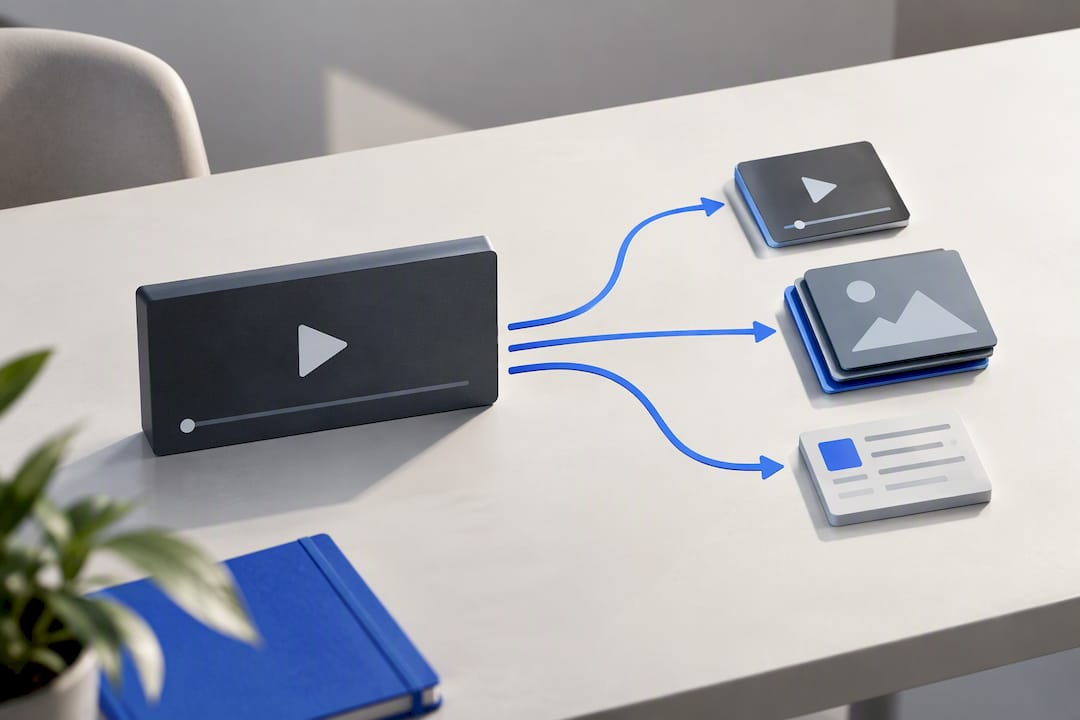
The goal isn’t to recycle content endlessly, but to treat your archive as an asset. FanSpicy’s breakdown of exclusive content and subscriber loyalty covers how repackaging older exclusive material into new bundles can drive repeat purchases from fans who already trust your work.
11. What creators get wrong about mixing paid formats
The creators who grow fastest usually combine two or three formats instead of betting everything on one, subscriptions for steady income, PPV for spikes, live tips for connection. The most common mistake is promising more than a single format can deliver, then failing to keep up the cadence that made it work in the first place.
Consistency beats novelty. Fans forgive a simple format delivered reliably far more than an ambitious one delivered late.
— fan
Where FanSpicy fits into your content mix
FanSpicy gives creators the tools to run every format covered here from one place: subscriptions, private messages, live streams, tips, and paid posts, all set up to keep a higher share of what fans pay.
Whether you’re testing your first subscription tier or adding pay-per-minute calls to an existing feed, you can explore the platform o become a model to start setting up your paid content today.
Sources
- Frontiers (2025) — Understanding viewer support in video game streaming
- PLOS One (2024) — Live streaming, virtual gifts, and social exchange dynamics
- ScienceDirect review (2024) — Monetization functions and platform design
- Deloitte (2026) — Digital media trends and fan behavior
FAQ
What content type earns the most on paid fan platforms?
There’s no single format that outperforms every creator’s audience, but subscriptions tend to provide the steadiest recurring income, while PPV drops and live tips add spikes on top. Combining a predictable subscription with occasional PPV and tipping typically produces better results than relying on just one, according to research on monetization design.
How many subscribers convert from a free following?
Conversion from a free audience to paying subscribers commonly falls in the low single digits, and subscriptions tend to suit niche, highly engaged audiences better than broad, casual ones, per industry tracking of the creator economy.
How much should I reveal in a PPV preview?
Show enough to prove the content is real and well made, but hold back the specific payoff that makes fans want to unlock it. Industry guidance on monetization platforms notes that short, well-chosen previews increase PPV conversion more than longer ones.
Why do fans tip more during live streams with visible recognition?
Publicly displaying tips through alerts, leaderboards, or shoutouts turns gifting into a small social performance, and research on virtual gifting found that this visibility increases the frequency and size of tips.
Can I sell subscriptions, tips, and paid messages on FanSpicy?
Yes, FanSpicy supports subscriptions, private messages, live streams, tips, and paid posts as core creator monetization tools, all available through the platform’s creator sign-up page.