
Table of Contents
Short-form content creation means making vertical videos of roughly 5 to 90 seconds that hook a viewer fast, then giving that viewer a reason to follow you somewhere you own the relationship. A phone, a window or a lamp, and a clear hook are enough to start. The harder part is what happens next: views alone rarely pay the bills, so the strongest creators treat every short clip as a doorway to subscriptions, exclusive posts, private messages and live streams.
This guide covers both halves. First, how to make short videos people finish. Then, how to convert that attention into recurring income on a platform where you keep control of your audience.
TL;DR
- Short videos are the best discovery tool available, but they work as a trailer. Revenue comes from the deeper, paid experience they point to.
- You do not need a studio. A smartphone, a stable surface, good light and a vertical 9:16 frame cover the technical basics.
- Win the first three seconds, then earn watch time. Longer clips can outperform ultra-short ones when the content holds attention.
- Consistency and a focused content type beat chaotic, high-volume posting.
- Give viewers one clear next step: subscribe, join a live stream, or unlock exclusive content.
Table of Contents
- What short-form content is, and why it matters now
- Start with what you already have: gear and format
- Win the first three seconds
- How long should a short video be?
- Consistency beats volume
- Content ideas that fit short-form
- Why views are not the business
- Turning free viewers into paying subscribers
- Our perspective: own the audience your clips build
- Build your paid home on Fanspicy
- Common mistakes in short-form content creation
- A weekly workflow you can repeat
- FAQ
- Sources
What short-form content is, and why it matters now
Short-form video is the format built for the scroll: clips on TikTok, Instagram Reels and YouTube Shorts, usually under 90 seconds. It is no longer a niche. Metricool’s 2025 report, based on more than 5 million videos and 582,000 accounts worldwide, found that the number of short-form video posts grew by 70% in 2025, with TikTok seeing a 129.54% jump in accounts.
That growth cuts both ways. More creators means more competition for each viewer’s attention, so the old strategy of posting as much as possible stops working. The same report points toward a strategic shift from pure volume to content aimed at a specific audience.
The practical takeaway: you are not short of places to post. You are short of reasons for a stranger to stop on your clip, remember you and come looking for more.
Start with what you already have: gear and format
Production quality is the most common excuse for not publishing, and it is rarely the real problem. YouTube’s own guide to getting started with Shorts says a smartphone, a stable surface and clear lighting are enough, and that vertical 9:16 framing is essential for mobile viewing.
A minimal setup looks like this:
- Phone: whatever you own, with the lens wiped clean.
- Support: a tripod, a stack of books or a shelf. A steady frame looks more professional than any filter.
- Light: face a window, or place a lamp in front of you rather than behind you.
- Sound: record in a quiet room. Viewers forgive grainy video faster than muffled audio.
- Frame: shoot vertical from the start, leaving a little space at the top and bottom for captions and app buttons.
Upgrade only when a specific limitation holds you back, such as shaky footage or poor audio. Until then, spend the effort on ideas.
Win the first three seconds
The same YouTube guide stresses that a strong hook in the first few seconds keeps people from scrolling past. The hook is not a trick. It is a promise: what the viewer will get if they stay.
Hooks that work across niches:
- The result first. Show the finished look, the final shot or the punchline, then rewind to how you got there.
- A direct question. Ask something your ideal viewer is already wondering.
- A bold, honest statement. Open with a take you can back up in the next 20 seconds.
- Movement and a face. Start mid-action, not with an intro or a logo.
- On-screen text. Many people watch with the sound off, so put the hook in words too.
Cut every second of throat-clearing. If your clip begins with a greeting and a long pause, the algorithm and the viewer have both moved on.
How long should a short video be?
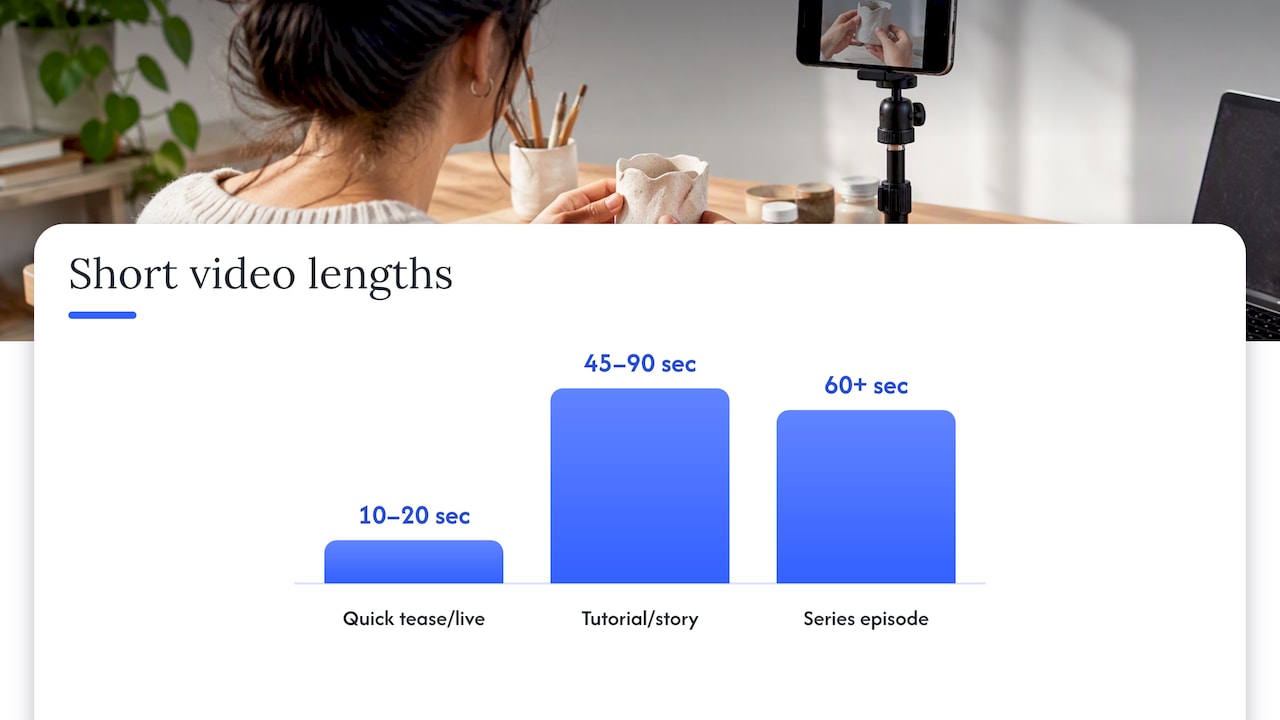
The “shorter is always better” rule is a myth for creators who care about growth. Buffer’s analysis of over 1.1 million videos found that TikToks over 60 seconds achieved 43.2% more reach and 63.8% more watch time than clips of 30 to 60 seconds. The lesson is not to pad your videos. It is that platforms reward total watch time, so a clip that holds attention for a full minute can beat a frantic 15-second edit.
Use this as a rule of thumb:
| Goal | Length to try | Why |
|---|---|---|
| Quick tease or teaser of a live stream | 10 to 20 seconds | One idea, one payoff, a clear call to action |
| Tutorial, story or behind-the-scenes | 45 to 90 seconds | Room to build interest and keep people watching |
| Series episode | 60 seconds or more | Gives viewers a reason to follow for the next part |
Test lengths against your own analytics. Your audience, not an average, decides what works for you.
Consistency beats volume
Many creators believe they must post constantly to feed the algorithm. Research on creator strategy points elsewhere. A study from Korea University on upload frequency, consistency and content type, focused on YouTube after the launch of Shorts, examines how those three choices shape engagement, attention and revenue. Our reading of it is that a steady rhythm and a focused content type matter more than raw upload counts.
Buffer’s data makes a similar point in plain terms: if you build one habit, make it posting once a week, every week. A schedule you can keep for a year beats a daily sprint that ends in burnout after three weeks.
A sustainable rhythm for a solo creator might be:
- Two or three short videos a week on one core theme.
- One longer or live session a week for your most engaged followers.
- One batch-filming block to prepare the week’s clips in a single sitting.
Content ideas that fit short-form
Short videos are not just dance clips and trending sounds. YouTube’s myth-busting post on Shorts notes that Shorts cover educational snippets, quick tutorials, comedy and behind-the-scenes glimpses across many niches. Pick two or three formats and repeat them until viewers recognize your style:
- Behind the scenes: your routine, your setup, how a piece of content gets made.
- Quick tips: one useful thing from your field in under a minute.
- Q&A replies: answer a follower’s comment on camera.
- Series: numbered episodes that make people want part two.
- Previews: a short, tasteful clip from something bigger that lives elsewhere.
If you create adult content, platform rules on free feeds are strict, so your public clips need to stay within each app’s guidelines. Our guide to the best content creation ideas for adult creators and the media marketing ideas for adult creators go deeper on what to post publicly and what to keep for paying fans.
Why views are not the business
Short-form is excellent at discovery and weak at paying you reliably. Ad payouts and brand deals swing with algorithm changes and sponsor budgets. The State of Create 2025 report shows where the money is moving: over half of the roughly $290 billion creator economy comes from direct-to-fan value such as ticket sales, courses, livestreams and paid memberships.
The same report notes that platforms built on advertising are incentivized to favor engagement and watch time, which is why they feature short-form so heavily. Fans, meanwhile, report that they see far more short-form than long-form, yet find long-form more valuable. That gap is your opportunity. Short clips earn the introduction. A deeper, paid experience earns the relationship.
The Korea University study reaches a compatible conclusion: relying on short-form alone, without a bridge to deeper interaction, can limit sustained watch time and a creator’s earnings potential. A bridge can be a live stream, an exclusive post, a private message thread or a bundle.
Turning free viewers into paying subscribers
Think of views as a form of payment: a viewer is trading a few seconds of their time for your content. To convert, respect that exchange. Tell people plainly why the next step is worth taking, and make it feel like a closer look at someone they already like, not a paywall in their way.
A simple funnel:
- Hook: a short public video that delivers real value or entertainment.
- Signpost: a line in the video, caption or pinned comment saying what is waiting elsewhere, such as longer content, live sessions or direct messages.
- Landing: one link in your bio to a profile that explains what a subscriber gets.
- Welcome: an automatic or personal first message that makes new subscribers feel noticed.
- Deepen: regular exclusive posts, scheduled live streams and occasional bundles keep people subscribed.
Be specific in your calls to action. “Come to my live stream on Thursday at 8 p.m. for the full tutorial” converts better than “link in bio.”
Match the offer to the viewer’s interest
Different fans want different things, and a flexible profile lets you serve all of them:
- Subscriptions for people who want ongoing access and recurring value.
- Paid posts and exclusive content for fans who want a specific piece.
- Private messages for those who value one-to-one connection.
- Live streams and tips for fans who enjoy real-time interaction.
- Bundles for newcomers who want a lot at once.
For a closer look at how these fit together, see our complete guide to content monetization, and our breakdown of hybrid monetization and subscription-based recurring revenue.
Our perspective: own the audience your clips build
We see the same pattern with creators who arrive at Fanspicy. They have done the hard work of building a following on free apps, but they do not control it. A change in an algorithm, a removed post or a suspended account can erase months of effort overnight. That is why we believe short-form content should be treated as marketing for something you own.
Our approach rests on a few convictions. Creators should keep a higher percentage of what they earn, so we run a revenue-share marketplace where creators pay nothing to join or use the platform and the platform takes a percentage of each transaction. Creators should be able to earn in several ways at once, which is why subscriptions, exclusive content, paid posts, private messages, live streams, bundles and tips all live in one place. And creators should not have to start from zero when they move, so we support easy content migration from other platforms.
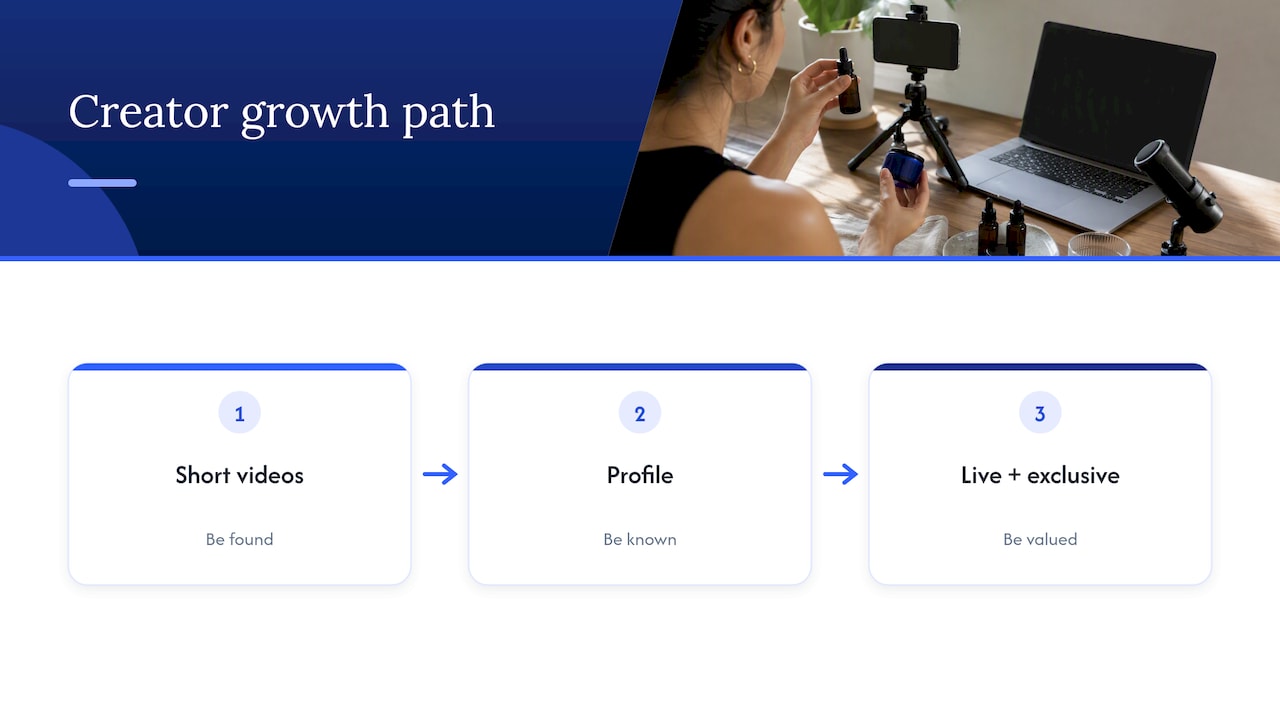
Our advice is simple. Use short videos to be found, use your profile to be known, and use live streams and exclusive content to be valued. Do not wait for a perfect setup or a viral hit. Publish steadily, point every clip somewhere useful, and let loyal fans, not view counts, set your income.
— fan
Build your paid home on Fanspicy
If you are ready to turn your short-form audience into recurring income, Fanspicy gives you one place to sell subscriptions, paid posts, private messages, live streams, bundles and receive tips. You can explore the platform and its live and subscription features or apply to become a creator and set up exclusive content, tips and paid posts. It costs creators nothing to join.
Common mistakes in short-form content creation
- Chasing every trend. Trends fade; a recognizable style and theme build loyalty.
- Posting without a destination. If a viewer likes a clip and has nowhere to go, you lose them.
- Ignoring watch time. Check where viewers drop off and fix the weakest second.
- Overproducing. Waiting for perfect lighting and a perfect edit often means not posting at all.
- Treating all followers the same. Casual viewers need free value first. Your most engaged fans deserve premium access.
- Relying on one platform. Spread discovery across apps, but anchor your income where you control the audience.
If you want to explore monetization beyond a single channel, our overviews of monetization methods for creators and revenue streams for creators are a good next read.
A weekly workflow you can repeat
- Monday, plan (30 minutes): pick one theme and write three hooks. Note what each clip will point to: a live stream, an exclusive post or your profile.
- Tuesday, batch film (60 to 90 minutes): shoot all clips in one session with the same lighting and outfit, to keep your look consistent.
- Wednesday, edit and caption (45 minutes): trim the dead air, add on-screen text, and write a caption with one clear next step.
- Thursday to Saturday, publish: post one clip a day or every other day at times your analytics show your audience is online.
- Sunday, review and go live: check watch time and profile visits, then host a live session or send a message to subscribers while interest is high.
After a month, compare which hooks, lengths and calls to action brought the most profile visits and subscriptions, and repeat the winners.
FAQ
Is short-form content profitable?
On its own, usually not very. Ad payouts and brand deals can be unpredictable, which is why State of Create 2025 finds that over half of the creator economy comes from direct-to-fan models. Short-form is most profitable when it feeds subscriptions, paid content or live streams.
How do I create short-form content with no experience?
Start with your phone, a window for light and a vertical frame, as YouTube’s Shorts guide recommends. Film one idea, open with a hook, and publish. Improve by reviewing where viewers stop watching.
How long should short-form videos be?
There is no single answer. Buffer’s data shows TikToks over 60 seconds outperforming 30 to 60 second clips on reach and watch time, so test several lengths and keep what your audience finishes.
How often should I post?
Choose a rhythm you can maintain, such as two or three videos a week, and stay on one core theme. Consistency has proven more valuable than posting as much as possible.
How do I get fans to pay after watching a free video?
Say clearly what the paid experience offers and why it goes deeper, then give one link and one action. Live streams, exclusive content and private messages work well because they offer something a free clip cannot.
Sources
- State of Short-Form Video in Social Media in 2025, Metricool
- State of Create 2025
- Your guide to getting started with YouTube Shorts, YouTube Blog
- Shorts truths: Debunking common myths about YouTube Shorts, YouTube Blog
- The Most Up-To-Date Social Media Data, Buffer
- Creator strategies in the platform economy, Korea University