

Inhaltsübersicht
If you’ve searched “what is camming” and landed here, you’ve probably noticed the term means different things in different contexts. In mechanical engineering, camming refers) to rotating machine components. But in the context most people are searching for today, camming means something entirely different: live adult webcam streaming, where performers broadcast themselves in real time to paying viewers. This guide covers everything you need to know, from how the industry works and what gear you need, to privacy, safety, and earning potential.
Inhaltsübersicht
- Wichtigste Erkenntnisse
- What is camming, really?
- How to start camming as a beginner
- Privacy and safety in camming
- The economics and social side of camming
- My honest take on camming
- Start your camming journey on Fanspicy
- FAQ
Wichtigste Erkenntnisse
| Point | Details |
|---|---|
| Camming is live streaming | Performers broadcast in real time to viewers who interact via chat and tips. |
| Gear doesn’t need to be expensive | A $70–$100 webcam, ring light, and microphone are enough to start. |
| Privacy is non-negotiable | Separating your cam identity from your real identity protects your safety and well-being. |
| Earnings vary widely | Beginners earn modest amounts; experienced models with loyal audiences can earn significantly more. |
| Platform choice matters | Different platforms offer different payment structures, audiences, and levels of creator control. |
What is camming, really?
At its core, camming is live internet broadcasting where a performer streams video to an audience in real time. Viewers watch, interact through chat, and pay for the experience through various monetization formats. It sits at the intersection of entertainment, social media, and adult content.
The performer controls the show entirely. They decide the setting, the content style, the schedule, and the level of interaction they offer. Some performers focus on conversation and companionship. Others lean into dancing, roleplay, or explicit adult content. The range is wide, and niche appeal is often a bigger driver of success than trying to appeal to everyone.
Payment structures vary by platform, but the most common formats include:
- Tipps: Viewers send virtual tokens or currency during a free or low-cost public show to reward the performer or request specific actions.
- Private shows: Viewers pay a per-minute rate to have one-on-one time with the performer, away from the public room.
- Subscription models: Some platforms allow performers to charge a monthly fee for access to their content and streams.
- Goal-based shows: The performer sets a token goal, and once the audience collectively hits it, a specific event or action occurs.
Most platforms run on a token economy where viewers buy tokens with real money and spend them on performers. The platform takes a cut, typically between 20% and 50%, and the performer keeps the rest.
Profi-Tipp: Niche appeal consistently outperforms broad appeal in camming. A performer who builds a specific identity and loyal audience earns more over time than one trying to attract everyone.
How to start camming as a beginner
Getting started is more straightforward than most people expect. The technical barrier is low. The bigger investment is time, consistency, and learning how your chosen platform works.
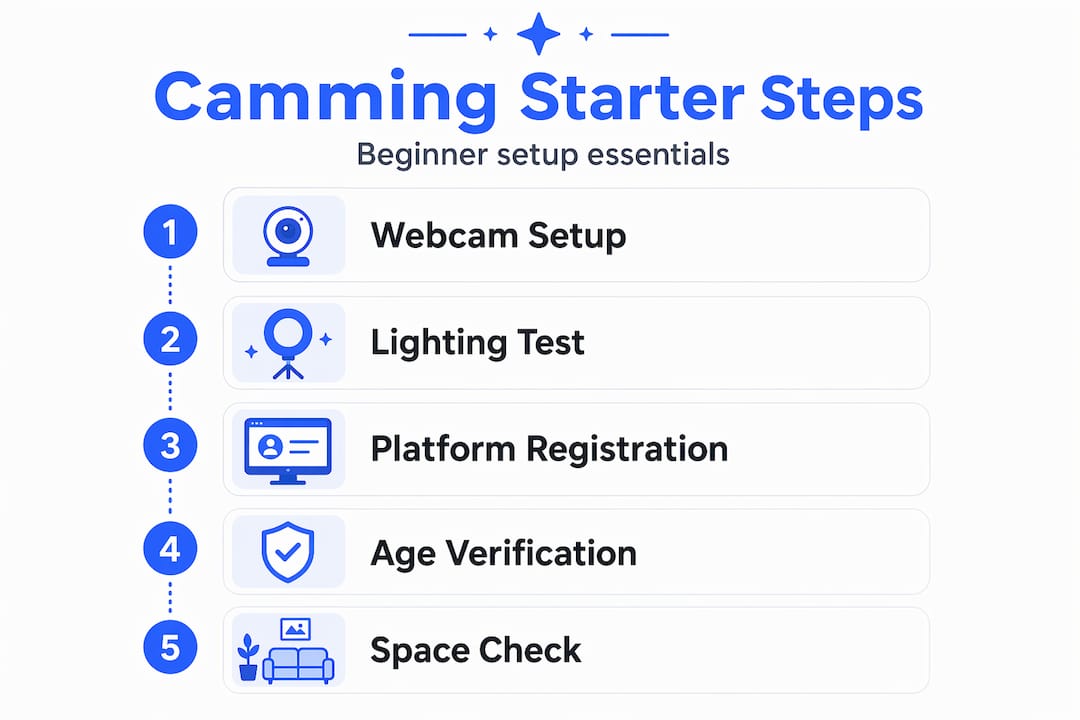
Step 1: Get the right gear
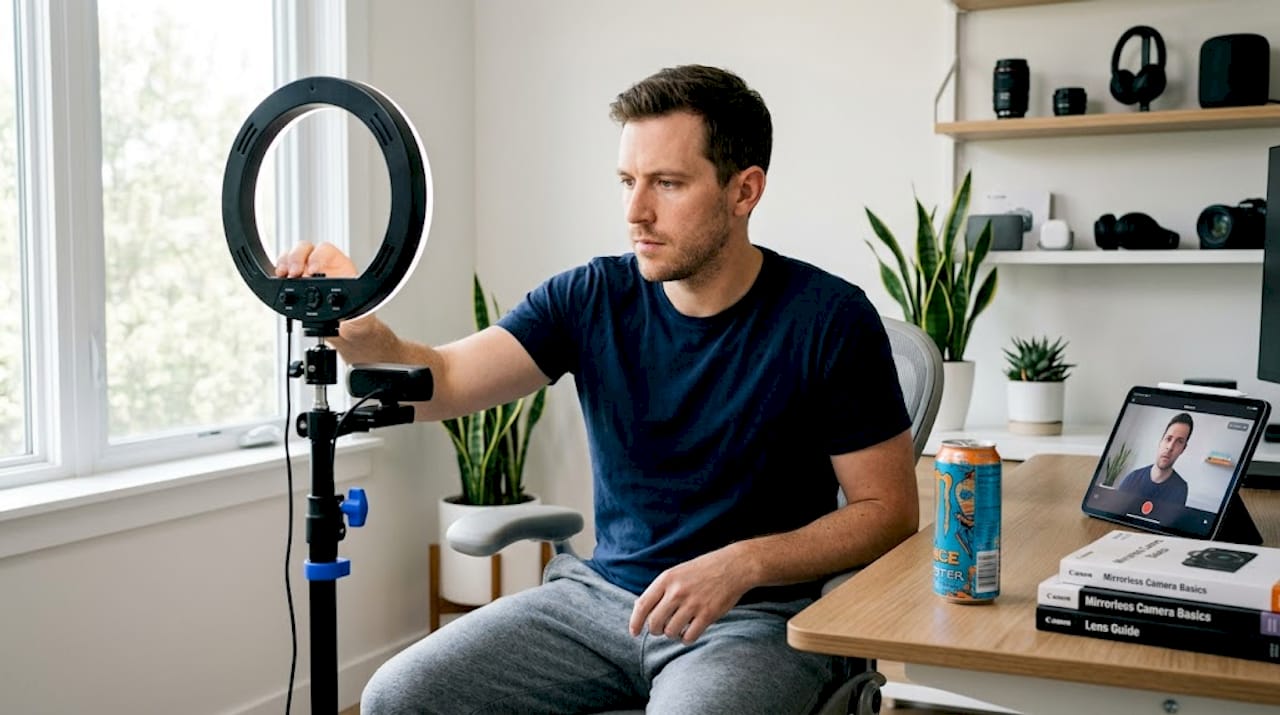
You do not need a professional studio setup to start. Basic gear requirements for beginners include a webcam in the $70 to $100 range, a ring light or softbox for even lighting, and a USB microphone. That’s genuinely enough to produce a stream that looks and sounds professional to viewers.
What matters most is not the price tag on your equipment. Stream quality directly affects viewer satisfaction and earning potential, and the biggest contributors to quality are lighting and clear audio, not camera resolution. A $80 webcam in a well-lit room beats a $400 camera in a dark, echoey space every time.
Step 2: Choose a platform and register
There are many live cam platforms available, each with different audience sizes, payment structures, and community cultures. Fanspicy, for example, combines a paid social media model with live cam functionality, giving creators both subscription income and live tipping. Other platforms focus purely on public cam shows with token systems.
When comparing your options, look at the benefits of live cam platforms including payout percentages, audience demographics, content policies, and the tools available for managing your privacy.
Step 3: Complete age verification
Every legitimate platform requires users to be 18+ and verify their identity with a government-issued ID before they can stream. This is a legal requirement, not just a platform policy. Approval typically takes 24 to 48 hours after you submit your documents.
Step 4: Set up your space and test before going live
Before your first broadcast, do a full test run. Check your camera angle, confirm your lighting removes shadows from your face, and listen back to your microphone quality. A cluttered or poorly lit background creates a bad first impression that’s hard to recover from.
Profi-Tipp: Consistency in your schedule matters far more than how long you stream. Showing up at the same time each week builds a loyal audience faster than occasional marathon sessions.
Privacy and safety in camming
This is where many beginners underestimate the risks. Camming involves putting yourself on camera in front of strangers on the internet. That creates real, specific vulnerabilities that deserve serious attention before you ever go live.
A 2026 study of 331 cam models across 27 countries identified digital risks including content leaks, doxxing, and harassment as significant concerns affecting performer well-being. These aren’t rare edge cases. They are documented, recurring experiences in the industry.
The most effective protection strategies performers use include:
- Separate cam identity: Use a stage name that has no connection to your real name, social media accounts, or email addresses.
- Location awareness: Never show identifiable landmarks, street names, or location-specific details in your background or conversation.
- Watermarking content: Adding a visible watermark to recorded content makes it harder for others to redistribute without attribution.
- Private browsing and VPNs: Using a VPN when accessing cam platforms prevents your real IP address from being logged or exposed.
- Strict personal data policies: Avoid sharing your city, workplace, or daily routine with viewers, even in casual conversation.
“Privacy and perceived control over information are central to cam models’ well-being and job satisfaction.” — Who are the People Behind the Webcam?
Platform anonymity alone is not sufficient protection. Platforms can be breached, accounts can be compromised, and determined individuals can piece together identity information from small details over time. Fanspicy’s guide on digital privacy for cam creators covers this in depth and is worth reading before you stream for the first time.
The economics and social side of camming
Understanding what motivates people to cam, and what they actually earn, gives you a realistic picture of what to expect.
The 2026 empirical study situates camming as a recognized form of sexual labor with real economic and sociocultural significance. The motivations performers report are not one-dimensional. Money matters, but so does autonomy, flexible scheduling, and the ability to work from home without a traditional employer.
Here’s a realistic breakdown of what the economics look like at different experience levels:
| Experience level | Typical monthly earnings | Key factors |
|---|---|---|
| Beginner (0–3 months) | $200–$800 | Building audience, learning platform, inconsistent schedule |
| Intermediate (3–12 months) | $800–$3,000 | Loyal regulars, consistent schedule, niche identity |
| Experienced (1+ years) | $3,000–$10,000+ | Strong fanbase, multiple revenue streams, premium content |
These numbers are not guarantees. They reflect patterns reported across the industry. Top earners are outliers, not the norm, and reaching consistent income takes months of work.
The social dynamics of camming are also worth understanding. Many performers describe a genuine sense of community with their regular viewers. Regulars tip consistently, engage in conversation, and become a stable source of both income and motivation. At the same time, burnout and harassment are real challenges. Setting clear personal boundaries from the start, both in terms of content and viewer interaction, protects your mental health over the long run.
Die reasons cam models cite for staying in the industry consistently include schedule flexibility, income control, and the ability to build a personal brand on their own terms. That autonomy is a genuine differentiator from traditional employment.
My honest take on camming
I’ve spent a lot of time looking at how new performers approach camming, and the biggest mistake I see is treating privacy as an afterthought. People spend hours researching webcams and lighting setups, then go live with their real first name, a background that shows their neighborhood, and a username they also use on personal social media. That’s backwards.
In my experience, the performers who build sustainable careers do two things well from day one: they create a completely separate cam identity, and they treat every stream like a professional production, even when the audience is small. Authenticity matters, but it’s possible to be genuinely yourself within a protected identity. The two are not in conflict.
The other myth I want to challenge is that success in camming is about looks or explicit content. It isn’t. The models with the most loyal audiences are the ones who show up consistently, remember their regulars by name, and create an experience that feels personal. That’s a skill anyone can develop.
Realistic expectations matter too. Most beginners earn very little in the first two months. That’s normal. The audience builds slowly, and the learning curve on platform mechanics, content strategy, and viewer interaction is real. Treat the first three months as an investment in understanding the craft, not a sprint to income.
— fan
Start your camming journey on Fanspicy
Ready to put what you’ve learned into practice? Fanspicy is built for exactly this moment. It combines live cam streaming with a paid social media model, so you earn from both live shows and subscription content without juggling multiple platforms.
Signing up is straightforward, the verification process is fast, and the platform is designed with creator privacy and earning potential front and center. You can explore what active creators are doing right now by checking out profiles like this creator on Fanspicy oder another active model to get a feel for how the community works. Whether you’re here to perform or to watch, Fanspicy gives you a secure, creator-first space to do it.
FAQ
What does camming mean?
Camming refers to live adult webcam streaming where performers broadcast in real time to viewers who interact through chat and pay via tips, private shows, or subscriptions.
How much does it cost to start camming?
Basic starter gear including a webcam, ring light, and microphone costs roughly $150 to $250 total. Platform registration is typically free, though platforms take a percentage of your earnings.
Is camming safe?
Camming carries real digital risks including doxxing and content leaks. Performers reduce these risks significantly by using a stage name, a VPN, and strict personal data policies from the start.
How long does platform approval take?
Most platforms complete age verification and account approval within 24 to 48 hours after you submit a valid government-issued ID.
Do you need a large following to earn money camming?
No. Many performers earn consistent income from a small group of loyal regular viewers rather than a large anonymous audience. Consistency and niche appeal matter more than follower count.