
جدول المحتويات
The most effective way to grow social followers for a business is to publish platform-native content that earns distribution to people who don’t yet follow you, optimize your profile so new visitors convert, and reply fast enough to turn attention into a relationship. Pair that with disciplined profile optimization and a weekly review of engagement-quality metrics, not just reach. Many businesses see meaningful, durable gains in a few months when they run this loop consistently rather than chasing one viral post.
TL;DR:
- Boost only posts that beat your average engagement rate and earn substantive comments or shares; set a clear goal and cap test budgets.
- A clear bio should name who you help and how, while a pinned post, searchable wording, and one relevant link reduce visitor friction.
- For 30 days, focus on one platform and content pillar, publish three times weekly, and answer every comment and direct message within 24 hours.
- Track discovery, engagement quality, and conversion separately; if reach rises while follows per profile visit stay low, fix the profile before making more content.
- For adult creators, keep mainstream posts and ads within each platform’s rules, use safe for work teasers, and direct interested followers to a dedicated destination.
جدول المحتويات
- Organic vs. Paid: When to Invest in Ads and How to Accelerate Real Growth
- Define Your Follower and Audit Your Profile for Conversion
- Content Strategy and Pillars: One Job Per Platform
- 15 Tactical Growth Strategies: A Prioritized Checklist You Can Run This Week
- Platform-Specific Quick Wins: TikTok, Instagram, LinkedIn, and YouTube Shorts
- Measurement and Review Loop: What to Track and How Often
- A Practical 30-90 Day Execution Plan and Team Roles
- Leveraging Influencer Marketing for Adult Content and Live Cam Platforms
- Compliance and Platform Guidelines for Adult Content Marketing
- Strategies for Converting Social Media Followers Into Paying Subscribers or Customers
- Optimizing and Promoting Exclusive Content Teasers to Attract Followers
- Using Analytics Tools to Refine Paid Promotion Targeting
- What Actually Matters Most in This Process
- Fanspicy: Turning Social Followers Into Paying Fans
- الأسئلة الشائعة
- Sources
Organic vs. Paid: When to Invest in Ads and How to Accelerate Real Growth
Organic reach depends on recommendation systems, not your existing follower count. Platforms like TikTok evaluate how well a video performs with an initial pool of viewers, tracking watch time, rewatches, likes, comments, and shares, then pushing it to a wider audience when those signals hold up. That means a business with zero followers can still reach thousands of new people if the content earns attention on its own merits.
Paid spend works best as an amplifier, not a substitute, for that organic signal. Boosting a post that already shows strong engagement multiplies proven interest; boosting a post nobody engaged with multiplies silence. The same logic applies to creator whitelisting, where a brand runs ads through a creator’s handle to borrow their audience’s trust while still requiring the underlying content to perform.
Before you spend on amplification, run this checklist:
- Confirm the organic post already beats your account’s average engagement rate before boosting it.
- Check that comments and shares are substantive, not just likes, since those signals tend to predict business outcomes more reliably than raw reach.
- Set a clear goal for the spend (followers, profile visits, or sign-ups) so you can judge whether paid dollars moved the right metric.
- Cap test budgets small enough that a failed experiment doesn’t distort your month.
Efficient paid use looks less like “boost everything” and more like “find the post that’s already winning, then put money behind it while it’s hot.” Creator whitelisting extends that same principle to partnerships: you’re not buying reach cold, you’re renting an audience that already trusts the creator’s voice. The combination of organic proof plus targeted paid support tends to produce followers who stick around, rather than a short-term spike in low-value follows.
Define Your Follower and Audit Your Profile for Conversion
A follower only matters if they match who you’re trying to reach. Write a one-sentence follower definition that names your audience, the outcome they want, and the format you’ll deliver it in. For example: “Small business owners who want five-minute marketing tips delivered as short video.” That sentence should guide every piece of content you publish and every line of your bio.
Once that definition exists, audit your profile against it. Most businesses lose potential followers at the profile stage because the page doesn’t make the value obvious in the first three seconds.
- Rewrite your bio so the first line states who you help and how, not a slogan.
- Swap your profile image for something recognizable at thumbnail size, logo or face, not a busy design.
- Make sure your link goes to the most relevant page for new visitors, not just your homepage.
- Pin your single best-performing or most representative piece of content at the top of your grid or feed.
- Add a clear call to action in your bio telling visitors exactly what to do next, whether that’s “Follow for weekly tips” or “Tap the link to book.”
Social SEO matters here too. Many platforms now function as search engines, so the words in your bio, captions, and video titles should include the terms your audience actually types in, not internal jargon. Write captions as mini headlines that describe the content, and add on-screen text or subtitles so your videos are understandable with the sound off, which also helps recommendation systems read your content accurately.
نصيحة محترف: Treat your pinned content like a storefront window: it should answer “why should I follow this account” in under five seconds.
Content Strategy and Pillars: One Job Per Platform
Chasing every trend across every platform burns out a team fast and rarely produces consistent followers. A tighter approach is to pick two to four content pillars tied directly to your business goals, then assign each platform a single job: discovery, trust, or conversion.
Discovery content is built to reach people who don’t know you yet, usually short-form video that stands on its own without context. Trust content deepens the relationship with people already paying attention, think behind-the-scenes posts, founder commentary, or client results. Conversion content asks for something specific: a follow, a sign-up, a purchase, and works best once an audience already has some familiarity with you.
A content strategy built around a single job per platform and engagement-quality tracking tends to outperform a scattershot approach that treats every post as equally important for every goal.
Here’s how that might look in practice:
- Short-form video (TikTok, Reels, Shorts): discovery job, built around hooks and trends, measured by watch time and shares.
- Instagram feed and grid: trust job, built around brand storytelling and proof, measured by saves and profile visits.
- LinkedIn: trust and discovery combined for B2B, built around founder or employee posts, measured by comments and connection requests.
- Email or website: conversion job, built around direct offers, measured by click-through and sign-up rate.
For cadence, consistency beats intensity. A realistic few-month plan looks like a few short-form posts a week, some feed or grid posts, and daily or near-daily Stories or quick updates where the platform supports them. The first 30 days should focus purely on finding a cadence you can sustain without burning out your team. Days 31 to 60 are for doubling down on whichever pillar or format is already producing engagement. Days 61 to 90 are for layering in collaborations and paid amplification once you have organic proof of what works.
15 Tactical Growth Strategies: A Prioritized Checklist You Can Run This Week
These are the specific moves that move the needle fastest, ordered roughly by how quickly they pay off.
- Optimize your profile and pin proof. Make sure your bio, image, and pinned post all answer “why follow” immediately.
- Lead short-form video with a 3-second hook. The first moment needs to promise a payoff or ask a question that stops the scroll, since watch time and rewatches directly influence how far a video travels.
- Write search-titled captions. Use the words your audience actually searches, not clever wordplay, so your content surfaces in platform search results.
- Add subtitles and on-screen text. This supports accessibility and helps recommendation systems read your content even when the algorithm can’t parse audio well.
- Use prompt-based engagement. Ask for a specific action, “save this for later” or “share with a friend who needs this,” rather than a generic “like and follow.”
- Repurpose across formats. Turn one idea into a short video, a carousel, and a text post, adjusting pacing and framing for each platform instead of posting the identical file everywhere.
- Run collaborations and UGC programs. Partnering with another account or inviting customers to create content extends your reach into audiences you don’t already have.
- Scope contests and giveaways carefully. Require an action tied to your niche, like tagging a relevant friend, instead of a broad “follow and win” that attracts low-value entries who unfollow after the prize is awarded.
- Cross-promote from email and your website. Your existing list and site traffic are an easy, often ignored source of new social followers.
- Use playlists or series to retain visitors. Grouping related videos or posts into a named series gives new visitors a reason to keep watching and gives you a reason to remind them to follow for the next one.
- Amplify only proven posts with paid spend. Let organic performance tell you what’s worth boosting before any ad dollars go out.
- Reply to comments and follow up in DMs. Consistent, fast responses turn a passive viewer into an engaged fan, and engagement-quality signals like qualified comments and DM replies tend to predict business outcomes better than reach alone.
- Use hashtags and keywords without over-optimizing. A handful of relevant terms in your caption helps discovery; stuffing a caption with dozens of tags reads as spam and rarely improves reach.
- Build accessibility into every post. Captions, readable text sizes, and image alt text widen who can engage with your content and support discovery at the same time.
- Give a specific, recurring reason to follow. A weekly series, a regular Q&A, or a consistent posting time turns “I liked this one video” into “I want to see what’s next.”
نصيحة محترف: Pick three tactics from this list to run consistently for 30 days before adding more. Spreading effort across all fifteen at once usually means none of them get done well.
Platform-Specific Quick Wins: TikTok, Instagram, LinkedIn, and YouTube Shorts
Each platform rewards slightly different behavior, so your execution should flex by channel even if your content pillars stay consistent.
- TikTok and Reels: Front-load your hook in the first three seconds, optimize for watch time and rewatches since those are the signals the algorithm weighs most heavily, and mix trending audio with evergreen topics so you’re not entirely dependent on trends. Posting multiple times a week gives the recommendation system more chances to find the right audience for each video.
- إنستغرام: Use Reels for discovery, your grid and pinned posts for trust and proof, and Stories for low-friction interaction like polls and quick questions that invite a reply without asking much of the viewer.
- LinkedIn: Narrow your focus to three to five topics so your audience knows exactly what to expect from you. Personal profile posts tend to outperform company page posts for engagement, and switching your profile’s primary button from Connect to Follow supports organic follower growth by letting people subscribe to your posts without requesting a personal connection. Posting several times a week on LinkedIn tends to produce higher impressions than sporadic posting.
- YouTube Shorts: Prioritize retention over flashy openers, since completion rate drives recommendations; test thumbnails even though Shorts auto-plays, since they still matter for browse placements; and repurpose your best Shorts into other short-form platforms with minor edits rather than building separate content from scratch.
None of these tactics work in isolation. A hook that stops the scroll on TikTok still needs a profile built to convert that attention, and a strong LinkedIn post still needs a consistent posting rhythm to compound.
Measurement and Review Loop: What to Track and How Often
Separating outputs from outcomes is the single biggest shift most teams need to make. Outputs are what you control directly, cadence, format mix, response speed. Outcomes are what those outputs produce, like followers, leads, or sales. Teams that track both, rather than fixating on follower count alone, can more clearly connect growth activity to business results.
Track metrics in three layers:
| Layer | What it measures | Example metrics |
|---|---|---|
| Discovery | How many new people see your content | Reach, impressions, views |
| Engagement quality | How strongly people respond | Saves, shares, qualified comments |
| Conversion | Whether attention turns into business value | Profile visits, DM replies, sign-ups |
Watch a few key ratios alongside raw numbers: follows per reach, follows per profile visit, and unfollow rate. A high reach with a low follow rate usually means your content earns attention but your profile fails to convert it, pointing you back to the profile audit rather than a content problem.
Run a short weekly review: look at which posts outperformed your average, note what format or topic they shared, and change exactly one variable in the next week’s content, hook style, posting time, or caption length, so you know what actually caused a shift. By 30 days you should see a stable posting cadence and early signal on which pillar resonates. By 60 days, your best-performing format should be clear enough to double down on. By 90 days, consistent execution on proven formats typically produces visible, compounding follower growth rather than a single spike.
A Practical 30-90 Day Execution Plan and Team Roles
You don’t need a large team to run this plan, but you do need clear ownership. A minimal setup includes a content lead who decides what gets made, an editor who handles formatting and captions, a community responder who replies to comments and DMs daily, and an analytics owner who runs the weekly review.
Stage the work in three phases:
- Days 1-30: Stabilize your posting cadence, finalize your profile audit, and publish consistently even before you know what’s working.
- Days 31-60: Identify your best-performing pillar and format from the weekly review, then shift more of your output toward it.
- Days 61-90: Add collaborations, UGC, or paid amplification on top of your proven organic content to scale reach further.
Realistic expectations matter here. In the first 30 days, expect mostly steady output and small engagement wins rather than dramatic follower jumps. By 60 days, a clear pattern should emerge showing which content earns the most saves, shares, and comments. By 90 days, consistent execution against that pattern typically produces noticeably more profile visits and follows than month one, especially once a discovery-focused format like short-form video compresses what would otherwise take months of slow organic growth into a shorter window.
نصيحة محترف: Assign the community responder role explicitly, even if it’s a part-time task. Comments and DMs left unanswered for days quietly cost more follower conversion than most businesses realize.
Leveraging Influencer Marketing for Adult Content and Live Cam Platforms
Influencer partnerships work differently in the adult content and live cam space than in mainstream retail marketing, mostly because of platform restrictions on explicit promotion. The most effective approach is to lean on creators who already have an engaged, platform-compliant following on mainstream social channels and direct that audience toward a dedicated platform through safe-for-work teasers, rather than attempting explicit promotion on networks that prohibit it.
Cross-promotion between creators in the same niche, shoutouts, collaborative content, and shared audiences, tends to work better than paid influencer placements in this category, since trust between creators often carries more weight with fans than a sponsored post. Micro-influencers with smaller but highly engaged followings frequently outperform larger accounts for this kind of audience transfer, because their followers are more likely to act on a specific recommendation.
Whatever the partnership structure, the destination matters as much as the promotion. A creator sending traffic from a mainstream platform needs a landing experience, like a profile on a dedicated platform, that makes the next step obvious: subscribe, message, or tip. For more on structuring these partnerships, our guide on cross-promotion strategies for creators walks through collaboration templates in more detail.
Compliance and Platform Guidelines for Adult Content Marketing
Mainstream social platforms maintain strict content policies that prohibit explicit material, and violating them typically results in content removal, reduced distribution, or account suspension. The practical path for creators and businesses in this space is to treat mainstream platforms as a discovery and teaser channel, not a distribution channel for explicit content, and to keep promotional material strictly within each platform’s stated guidelines.
That means favoring suggestive, safe-for-work content that hints at what’s available elsewhere rather than attempting to push boundaries on platforms built for general audiences. It also means reading each platform’s advertising policies separately, since rules around nudity, sexual content, and even certain keywords vary by platform and change periodically.
Dedicated platforms built for adult content and live cam work operate under their own content and payment guidelines, which tend to be far more permissive for the content itself while still requiring age verification and compliance with payment processor rules. Reviewing those platform-specific guidelines before posting protects both your account standing on mainstream social media and your ability to monetize consistently elsewhere.
Strategies for Converting Social Media Followers Into Paying Subscribers or Customers
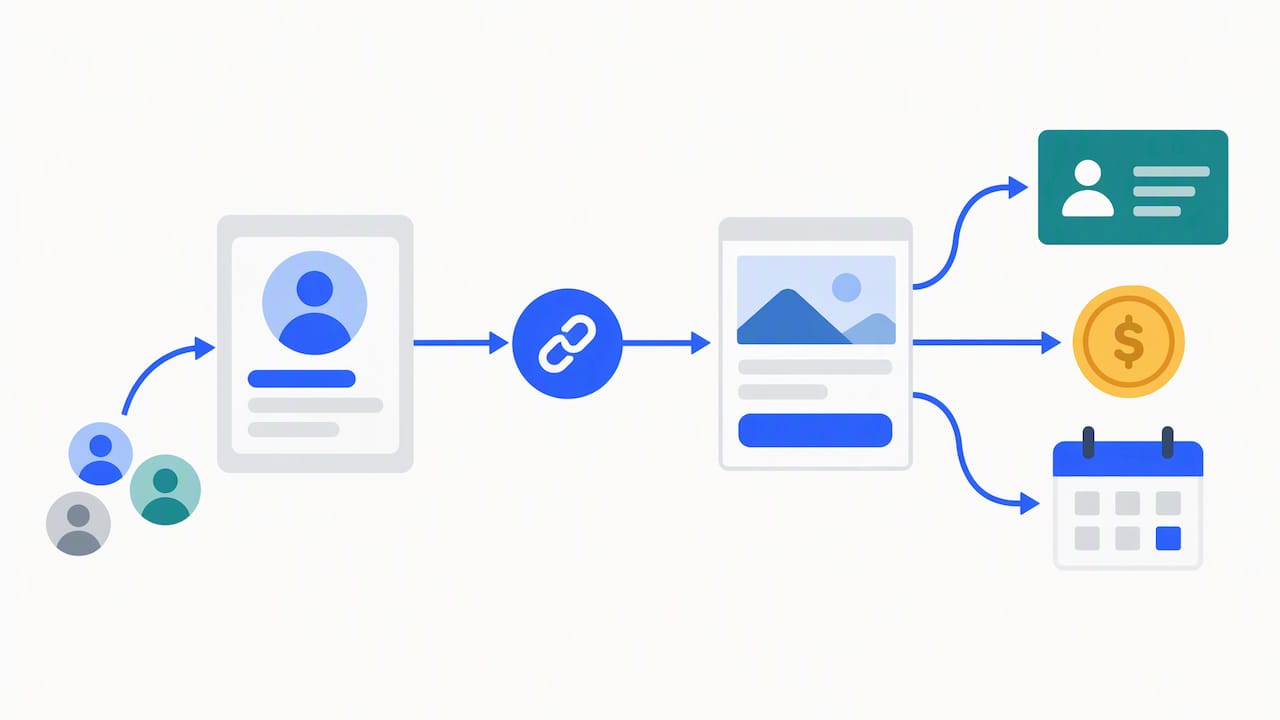
Followers only become valuable once a portion of them take a paid action, so the handoff from social platform to paying relationship needs to be deliberate. Start by giving followers a clear, repeated reason to take the next step, not just more free content, but a specific preview of what paying unlocks.
A few patterns tend to work consistently: teasing exclusive content without fully delivering it on the free platform, using direct messages to build a one-on-one relationship before pitching a subscription, and creating urgency around limited-time offers or bundles rather than leaving the paid option open-ended indefinitely.
The conversion point itself matters as much as the pitch. A single, clear link in your bio or pinned post, pointing to a subscription page, a tip jar, or a live stream schedule, removes friction that otherwise causes interested followers to lose momentum before they pay. For a deeper breakdown of specific promotional tactics, our article on promoting paid content covers sequencing and messaging in more depth, while our guide to boosting subscriber growth focuses specifically on turning social audiences into paying subscribers.
Optimizing and Promoting Exclusive Content Teasers to Attract Followers
A teaser’s job is to prove value without giving away the thing you’re asking people to pay for. The strongest teasers show enough to create genuine curiosity, a glimpse of a photo set, the first thirty seconds of a video, a preview line from a longer message, without fully resolving the payoff.
Pacing matters here. Posting teasers on a predictable schedule, rather than randomly, trains your audience to check back, which supports both your follow rate and your long-term engagement. Pairing each teaser with a direct, specific call to action, “full set available now” or “join to see the rest”, performs better than a vague “link in bio” that leaves the next step unclear.
Cross-posting teasers across multiple social platforms, with format adjustments for each one, widens the pool of people who see the preview without requiring you to produce entirely new content for every channel. Our guide on content marketing for creators covers teaser formats and pacing strategies in more detail for readers who want to build this into a repeatable system.
Using Analytics Tools to Refine Paid Promotion Targeting
Analytics tools matter most when they inform decisions, not when they simply report numbers after the fact. For paid promotion specifically, the goal is to use platform-native analytics, ad manager dashboards, and audience insight tools to narrow targeting toward the people most likely to convert, rather than spreading a budget broadly.
Start by identifying which organic posts already earned strong engagement-quality signals, saves, shares, qualified comments, since those posts indicate the audience and format worth paying to amplify. Use the platform’s built-in audience insights to see the demographic and interest overlap among people who engaged, then build or refine a paid audience around those characteristics rather than guessing.
Ongoing refinement matters as much as the initial setup. Reviewing paid campaign performance weekly, alongside your organic metrics, lets you catch underperforming targeting early and reallocate budget toward audiences and creative that are actually converting into followers or paying fans, rather than waiting until a campaign ends to learn what worked.
What Actually Matters Most in This Process
Most businesses over-invest in content volume and under-invest in two things that matter more: a profile that converts attention the moment it arrives, and a fast, consistent response to the people who already showed interest. Posting more often rarely fixes a weak bio or a slow DM reply, and no amount of content volume compensates for a landing experience that doesn’t make the next step obvious.
If your engagement-quality metrics, saves, shares, qualified comments, have been flat for several weeks despite steady posting, that’s the signal to pause expansion and rebuild the foundation rather than adding more platforms or more content. A weak profile or an unclear content pillar won’t fix itself with more volume.
For a concrete 30-day start: pick one platform, rewrite your bio and pin your best content, commit to three posts a week built around a single content pillar, and reply to every comment and DM within 24 hours. That combination, done consistently, outperforms a scattered effort across five platforms almost every time.
— fan
Fanspicy: Turning Social Followers Into Paying Fans
Growing a social following solves half the equation; turning that audience into recurring revenue is the other half, and that’s where a dedicated monetization platform fits into the picture. On فانسبيكي, creators and businesses set up subscriptions, private messages, live streams, exclusive content, and tips, giving followers a clear, direct way to pay for access instead of just scrolling past another free post.
We built Fanspicy to support flexible earning methods across content types and creator categories, including an easy path to migrate existing content from other platforms. Once your social strategy is earning engaged followers, the natural next step is giving them somewhere specific to go to support you financially. For tactical guidance on that handoff, our article on promoting paid content walks through the sequencing in detail.
Ready to see how it works for your audience? Become a creator on Fanspicy and set up your first subscription offer today.
الأسئلة الشائعة
How long does it take to grow social media followers for a business?
Most businesses see a stable cadence and early engagement signals within 30 days, a clear best-performing content pillar by 60 days, and visible, compounding follower growth by 90 days when they execute consistently. Timelines vary by platform and niche, but the 30-60-90 structure gives a realistic framework for most businesses to plan around.
Should a business use organic growth or paid ads to gain followers?
Organic content should come first, since platforms like TikTok reward posts that already earn strong engagement signals with wider distribution regardless of follower count. Paid spend works best when it amplifies a post or creator that’s already proving itself organically, rather than replacing organic strategy entirely.
What’s the single most important profile element for converting visitors into followers?
A clear, specific bio that states who you help and how, paired with a pinned post that proves that value immediately, tends to matter more than any single piece of content. Visitors typically decide whether to follow within seconds of landing on a profile, so that first impression carries outsized weight.
How often should a business post on social media to grow followers?
A realistic cadence is three to five short-form videos a week alongside two to three feed posts, with daily or near-daily lower-effort content like Stories where the platform supports it. On LinkedIn specifically, posting two to five times a week has produced materially higher impressions than sporadic posting.
How can a business convert social media followers into paying customers?
Give followers a specific, repeated reason to take a paid next step, such as a teased preview of exclusive content or a direct message conversation, paired with a single clear link to the paid offer. Removing friction between interest and payment, rather than leaving the next step vague, is what typically moves a follower toward becoming a paying customer.