

Зміст
Creators on paid platforms often ask what makes pay-per-view stand out from traditional subscription or ad-based models. Generating direct revenue from viewer payments gives you full pricing control and quicker payouts compared to waiting on platform algorithms or advertiser budgets. As digital platforms evolve, exclusive access to anything from live streams to personalized messages opens new opportunities for earning, and understanding these pay-per-view models is the first step to making smarter content decisions and maximizing your profit.
Зміст
- Understanding Pay-Per-View Content Models
- Types of Pay-Per-View: Messages, Streams, Media
- How Pay-Per-View Drives Fan Engagement
- Legal and Financial Considerations for Creators
- Maximizing Profits While Protecting Content
Key Takeaways
| Point | Details |
|---|---|
| Pay-Per-View Model Advantages | Creators earn directly from viewer payments, eliminating the need for a large audience and enabling faster revenue access. |
| Creator Control Over Pricing | Pricing strategies are entirely in the creator’s hands, determining the perceived value of content and audience willingness to pay. |
| Engagement Through Exclusivity | Exclusive content creates a sense of privilege, encouraging deeper audience investment and active participation. |
| Legal and Financial Responsibilities | Creators must understand consumer protection laws and tax obligations to safeguard earnings and ensure compliance. |
Understanding Pay-Per-View Content Models
Pay-per-view represents a fundamentally different approach to creator earnings compared to ad-based or subscription models. Instead of relying on advertising revenue or monthly subscriptions, you charge viewers directly for access to individual pieces of content.
[Pay-per-view services] (https://en.wikipedia.org/wiki/Pay-per-view) have evolved significantly from their origins in closed-circuit television and live event broadcasting. Today, digital platforms allow you to monetize virtually any type of content—from exclusive live streams to premium photos, videos, or interactive sessions—by charging per view or per access.
How Pay-Per-View Works for Creators
The mechanics are straightforward. A viewer sees your content preview or teaser, decides whether it’s worth the price you’ve set, and pays to unlock full access. Revenue flows directly to you from that transaction, with the platform taking a commission.
This model eliminates several traditional barriers:
- No need to build a massive audience before earning meaningful income
- Viewers choose to pay only for content they genuinely want
- Price controls remain entirely in your hands
- Revenue arrives faster than with ad-dependent models
Key Differences from Other Monetization Approaches
Підписки require ongoing commitment from fans. Pay-per-view charges only for specific content.
Ad-based revenue depends on platform algorithms and advertiser demand. Pay-per-view comes directly from viewer willingness to pay.
Sponsorships require brand partnerships. Pay-per-view needs only quality content and fair pricing.
Understanding why audiences choose to pay for content helps you price effectively and create offerings people actually want to purchase.
Here’s how pay-per-view compares to other monetization models for creators:
| Model Type | Revenue Source | Audience Commitment | Creator Control |
|---|---|---|---|
| Pay-Per-View | Direct viewer payments | One-time purchase | Full pricing |
| Підписки | Monthly fees | Ongoing loyalty | Limited pricing |
| Ad-Based Revenue | Advertiser payments | Passive viewing | Minimal control |
| Sponsorships | Brand partnerships | Brand engagement | Negotiated terms |
Pricing Strategy Matters
You control the price point completely. A $3 exclusive photo set might work better than a $50 one-time purchase depending on your audience size and content type.
Costs vary by:
- Content exclusivity level
- Production quality and effort required
- Your existing audience size and engagement
- Industry standards within your niche
- Viewer purchasing power in your geographic regions
Your pay-per-view pricing is a direct reflection of content value—set it too low and you leave earnings on the table; set it too high and you reduce transaction volume.
Why Creators Prefer This Model
Pay-per-view cuts through the uncertainty. You’re not guessing at audience size or hoping algorithms favor your content. Viewers with genuine interest make the purchase decision themselves.
Creators consistently report higher earnings per viewer with pay-per-view compared to subscription or ad models, especially early in their careers when building large subscription bases takes time.
Pro tip: Start with lower price points on new content types to understand your audience’s willingness to pay, then gradually adjust pricing upward once you establish which offerings generate the most transaction volume.
Types of Pay-Per-View: Messages, Streams, Media
Pay-per-view isn’t one-size-fits-all. The model adapts to different content types, each with unique earning potential and audience expectations. Understanding these variations helps you choose what works best for your creator strategy.
Digital platforms have expanded pay-per-view delivery mechanisms far beyond traditional live events. You can now monetize exclusive messages, interactive live streams, pre-recorded videos, photos, and hybrid experiences. Each type attracts different viewer behaviors and generates different revenue patterns.
Платні повідомлення
Платні прямі повідомлення let fans pay for private communication with you. A viewer purchases access to send you a message, chat for a set time, or receive personalized content responses.
This format works exceptionally well for:
- Personal connection seekers willing to pay for attention
- Custom content requests or shoutouts
- One-on-one coaching or advice sessions
- Exclusive photos or messages tied to fan interactions
Messaging revenue comes from frequency and volume. Even modest per-message prices add up when you have engaged followers. Understanding how to monetize direct messaging helps you set reasonable pricing that doesn’t feel exploitative while maximizing transaction count.
Пряма трансляція
Pay-per-view live streams charge viewers admission to watch your broadcast in real-time. Once the stream ends, access typically expires unless you offer replay access for additional payment.
Live streams generate urgency. Viewers know they’re watching something happening right now, which drives purchase decisions. This format suits:
- Fitness or tutorial sessions
- Q&A sessions with fans
- Закулісний контент
- Games, performances, or events
Live streams create scarcity through time—viewers either join now or miss it entirely, making them powerful revenue generators despite lower per-viewer costs.
Media: Photos and Videos
Pre-recorded media includes photos, video clips, and full-length videos available on-demand. Viewers pay once and keep access indefinitely, or you set expiration dates.
This model offers stability since:
- Content works 24/7 generating passive revenue
- You control production timing and quality
- Pricing remains consistent over time
- Streaming media models allow flexible access options
Media works well for exclusive photo sets, instructional videos, or high-production entertainment content.
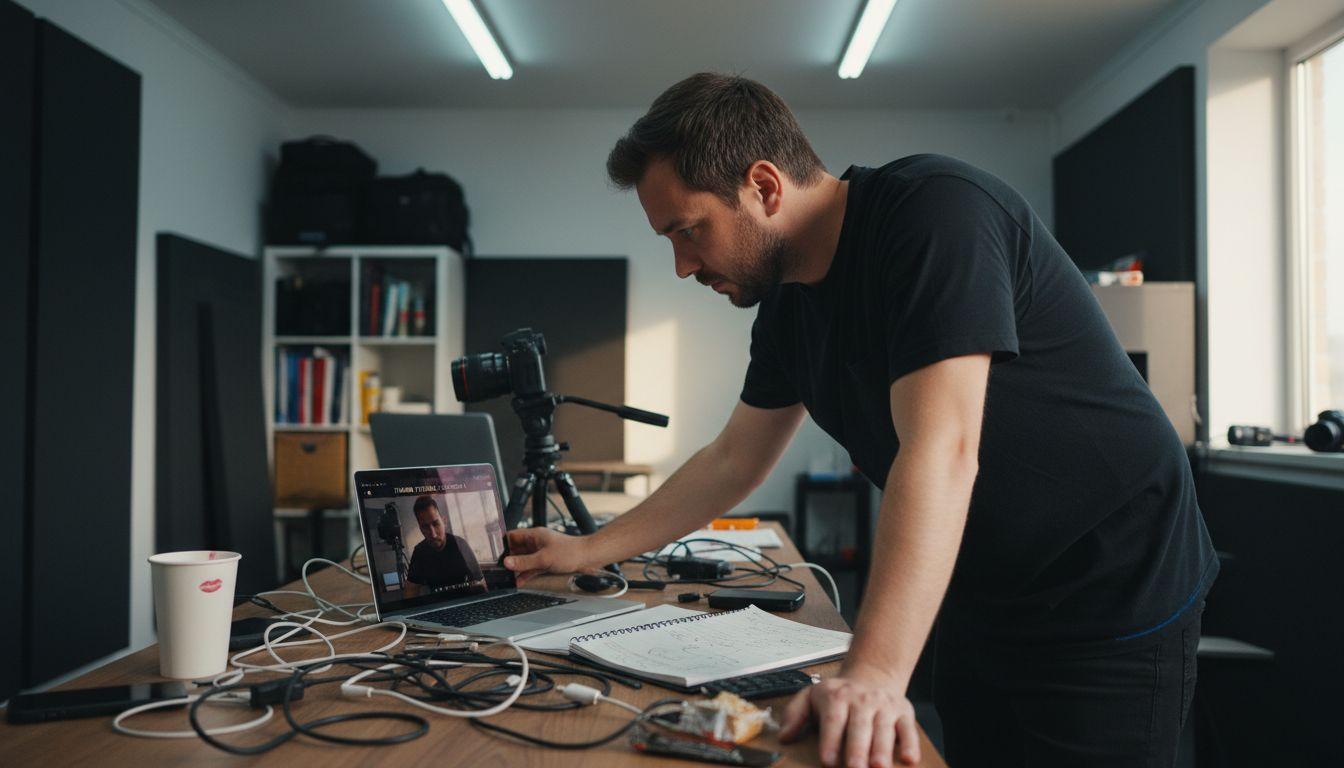
Hybrid Approaches
Many creators combine types strategically. You might offer paid messaging for quick interactions, monthly exclusive video drops, and occasional pay-per-view live streams for special events.
This diversification spreads risk across revenue sources and appeals to different fan segments.
Pro tip: Test each format with your existing audience first—start with your most engaged followers and gather feedback on pricing and format before rolling out to your broader fanbase.
The following table outlines key pay-per-view content formats and their typical business impact:
| Content Format | Viewer Experience | Revenue Pattern | Найкраще для |
|---|---|---|---|
| Платні повідомлення | Private, personalized | High transaction volume | Fan interactions |
| Пряма трансляція | Real-time, interactive | Urgency-driven sales | Events, sessions |
| Photos & Videos | On-demand, lasting access | Passive ongoing income | Exclusive media |
| Hybrid Approach | Mixed engagement | Diversified, stable | Varied audiences |
How Pay-Per-View Drives Fan Engagement
Pay-per-view creates a fundamentally different relationship between you and your audience. When fans pay for access, they’re already invested before consuming your content. This investment transforms passive viewers into active participants.
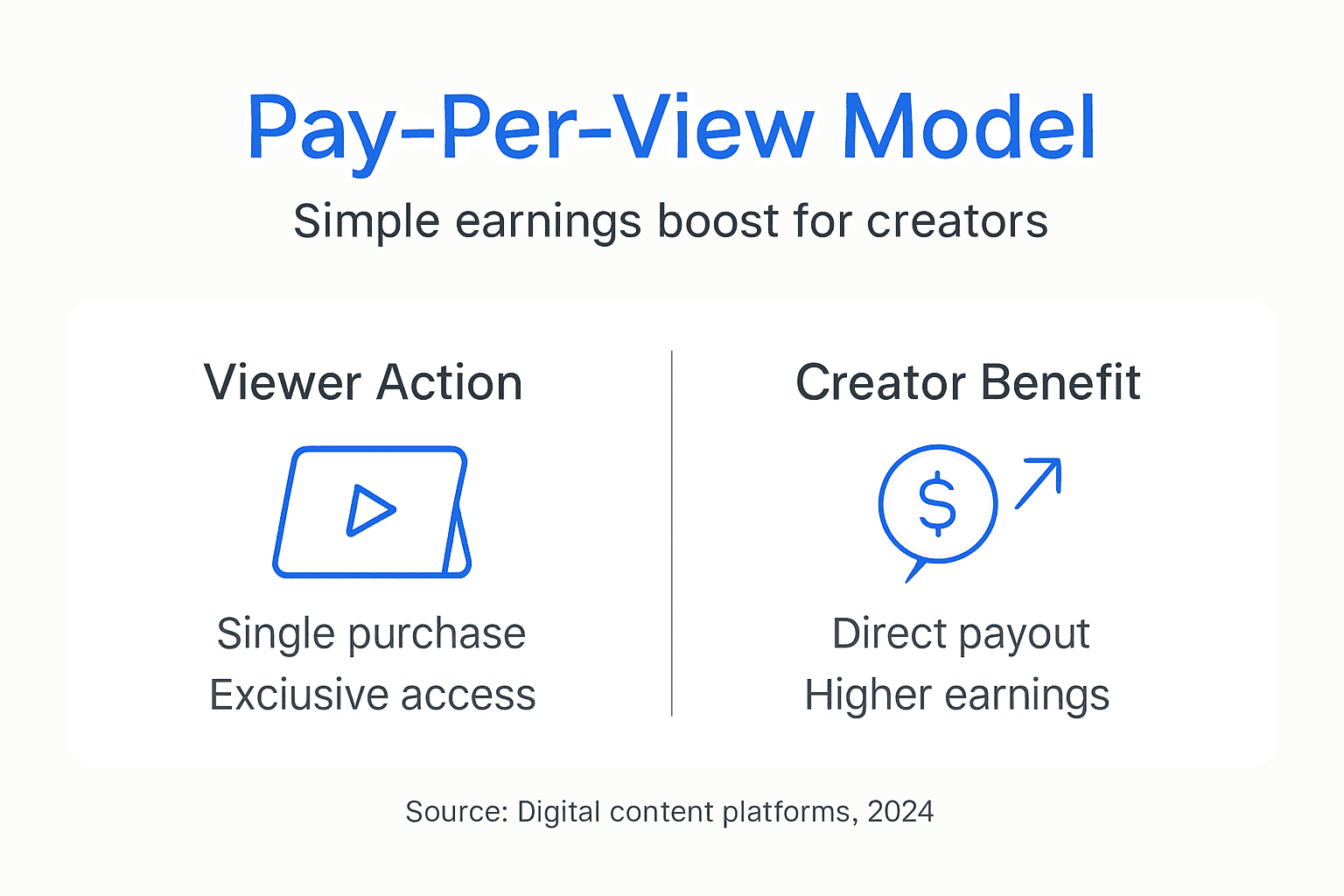
The psychology is simple: people value what they pay for. A free viewer might scroll past your content. A paying viewer stops, watches fully, and feels ownership of the experience. This shift in mindset drives deeper engagement across your platform.
Exclusivity Creates Value
Ексклюзивний доступ is the engine behind pay-per-view engagement. When content is locked behind a paywall, it becomes desirable. Fans feel they’re part of a privileged group with special access.
This exclusivity works because:
- It separates dedicated fans from casual browsers
- It makes fans feel recognized and valued
- It creates conversations about exclusive moments
- It rewards loyalty with premium experiences
Research on fan behavior shows engagement increases when audiences access exclusive live events and interactive content. When fans know they’re getting something others can’t access for free, they engage more intensely.
Interactive Participation
Live pay-per-view experiences create real-time interaction opportunities. Fans watch simultaneously, comment together, and feel part of a community event.
This generates engagement through:
- Real-time comments and reactions
- Q&A sessions where you respond directly
- Shared moments that create memories
- Community formation around exclusive content
Understanding why fans choose to pay for content reveals they’re investing in connection, not just consumption. The paywall signals that genuine interaction with you is available.
Розбудова спільнот
Pay-per-view audiences naturally become communities. Fans who pay are more likely to follow you consistently, recommend your content, and return repeatedly.
Exclusive content creates tribal belonging—paid audiences develop stronger bonds with creators and each other than free audiences ever do.
When your fans pay, they’re selecting into your community deliberately. They’ve decided you’re worth their money. This creates psychological commitment that drives repeat purchases and word-of-mouth promotion.
Repeated Engagement Loops
Once fans purchase once, they’re likely to purchase again. Each transaction reinforces the value perception. Success begets more engagement and more transactions.
This creates:
- Більший термін служби на один вентилятор
- More predictable revenue streams
- Opportunities to upsell premium experiences
- Natural reasons to stay connected long-term
Pro tip: Create themed pay-per-view events monthly to give fans reasons to return regularly—consistency transforms one-time buyers into repeat customers who anticipate your next exclusive offering.
Legal and Financial Considerations for Creators
Pay-per-view earnings come with legal and financial responsibilities. You can’t simply collect money and ignore regulations. Understanding these requirements protects your income and keeps you compliant.
The financial model is straightforward on the surface—viewers pay, you earn a percentage. But underlying this are consumer protection laws, tax obligations, and payment processing regulations that vary by location and business structure.
Consumer Protection Compliance
Transparent pricing is non-negotiable legally. Customers must know exactly what they’re paying for before they complete a transaction. Hidden fees or unclear billing practices expose you to legal challenges.
Compliance requirements include:
- Clear pricing displayed before purchase
- Explicit descriptions of what content includes
- Easy refund policies for failed transactions
- Honest communication about access duration or limitations
Consumer protection frameworks mandate that digital content providers maintain transparent billing practices. Failing to disclose pricing or terms can result in chargebacks, platform penalties, or legal action from customers.
Tax Obligations
Tax liability varies based on your location, business structure, and income level. Many creators overlook this entirely until tax season arrives with unexpected bills.
You likely owe taxes on:
- All pay-per-view revenue earned
- Platform commissions as business expenses
- Equipment and software purchases
- Studio space or equipment rental costs
Consult a tax professional in your jurisdiction. Tax requirements differ dramatically between countries and even between states. Treating pay-per-view as cash income without tracking expenses costs you significantly at tax time.
Payment Processing and Platform Agreements
Your platform handles payment processing, but you’re responsible for understanding the terms. Commission rates, payout schedules, and dispute resolution processes directly affect your earnings.
Clear payment agreements protect your income—misunderstanding payout terms or commission structures can reduce your actual earnings dramatically compared to expected revenue.
Read your creator agreement carefully. Understand when you receive payouts, what percentage the platform keeps, and what happens if chargebacks occur. Some platforms hold reserves for chargebacks, meaning you don’t see your full earnings immediately.
Residual Rights and Creator Protections
Digital distribution frameworks increasingly recognize creator rights to residual payments as content is monetized across platforms and regions. If your content generates pay-per-view revenue repeatedly, you may have rights to ongoing compensation beyond initial sales.
Document your content creation and sales carefully for future claims.
Pro tip: Set aside 25-30% of pay-per-view earnings for taxes immediately—put this amount in a separate account and forget about it, preventing the shock of owing money at tax time.
Maximizing Profits While Protecting Content
Your pay-per-view content is your income source. Protecting it from unauthorized distribution directly protects your earnings. Without safeguards, piracy erodes revenue and undercuts your pricing power.
Profit maximization and content protection work together. Secure content commands premium prices because scarcity increases value. Unprotected content gets shared freely, destroying the exclusivity that drives pay-per-view sales.
Understanding Content Piracy Risks
Unauthorized streaming costs creators significant revenue annually. When your exclusive content leaks, viewers access it for free instead of paying.
Common piracy channels include:
- Illegal streaming websites rehosting your content
- Screenshots and clips shared on free platforms
- Screen recordings passed between friends
- Resale of access credentials
Streaming protection laws provide legal tools to combat piracy. The Protecting Lawful Streaming Act increases penalties for unauthorized distribution, giving you stronger enforcement options when your content is stolen.
Technical Protection Measures
Content delivery platforms typically include built-in protections. Use these features actively rather than assuming they’re enabled by default.
Protection strategies include:
- Watermarking videos with viewer identifiers
- Disabling downloads and screen capture
- Geographic restrictions if applicable
- Expiring access after set periods
- Device-limiting to prevent credential sharing
These technical measures discourage casual piracy. They won’t stop determined pirates, but they eliminate opportunistic sharing.
Pricing Strategy for Maximum Protection
Strategic pricing protects content value better than any technology. When your pay-per-view price feels fair, fans respect the exclusivity and don’t seek pirated versions.
Overpriced content attracts piracy because viewers rationalize: “If it cost less, I’d pay.” Underpriced content loses urgency because the barrier to entry vanishes anyway.
Fair pricing protects revenue more effectively than aggressive anti-piracy measures—viewers who believe content is worth the price naturally avoid pirated versions.
Understanding monetization strategies helps you balance profitability with affordability. The sweet spot maximizes both revenue and piracy resistance.
Monitoring and Enforcement
Active monitoring catches unauthorized distribution early. Set up alerts for your content appearing on illegal sites. Report violations quickly to platforms and payment processors.
Document everything:
- Dates and locations of piracy
- Screenshots of unauthorized use
- Estimated revenue impact
- Correspondence with platforms
Building a record supports future legal action if piracy becomes systematic.
Pro tip: Create an easily identifiable watermark on every piece of content—include your creator name or logo in a corner viewers can’t easily remove—making it easier to track where pirated copies originate.
Boost Your Earnings with Pay-Per-View on FanSpicy
If you are ready to overcome the challenge of building a large audience before making meaningful income and want full control over your pricing, pay-per-view is the proven path to higher creator earnings. FanSpicy is a trusted Paid Social Media and live cam platform designed specifically as an OnlyFans alternative that empowers creators like you to monetize exclusive live streams, private messages, and premium media content with ease.
Join thousands of creators who maximize revenue by charging viewers directly, fostering stronger fan engagement, and protecting their content with advanced tools. There has never been a better time to transform your passion into profit and take advantage of pay-per-view models that work in your favor. Visit FanSpicy now to start increasing your earnings through fair pricing and exclusivity. Your fans are ready to pay for the quality content only you can deliver.
Поширені запитання
What is a pay-per-view content model?
Pay-per-view is a monetization approach where creators charge viewers directly for access to individual pieces of content, rather than relying on ads or subscriptions.
How does pay-per-view differ from subscription models?
Unlike subscriptions, which require ongoing payments for access to a library of content, pay-per-view allows viewers to pay once for specific content they want to access.
What are the benefits of using a pay-per-view model for creators?
The pay-per-view model enables creators to earn revenue without needing a large audience upfront, allows for complete control over pricing, and provides faster income compared to ad-based revenue.
How can creators effectively price their pay-per-view content?
Creators should consider factors like content exclusivity, production quality, audience size, and industry standards when setting prices to reflect the true value of their content.