

Оглавление
Standing out on a crowded platform often feels impossible, especially when every day brings new creators competing for subscriber attention. For those serious about turning content into lasting income, understanding personal branding for creators is the difference between blending in and building a dedicated following. This guide will clarify the key branding concepts, practical strategies, and essential steps that help independent creators grow a loyal audience and earn more from subscription content—a process now critical for American, British, Canadian, and other global content creators.
Оглавление
- Branding For Creators Explained
- Types Of Branding On Paid Platforms
- Building A Unique Digital Identity
- Audience Engagement And Retention Strategies
- Legal Risks And Brand Protection Online
Key Takeaways
| Point | Details |
|---|---|
| Core Elements of Branding | Effective creator branding hinges on brand positioning, brand equity, and authentic differentiation to attract and retain subscribers. |
| Types of Media for Growth | Utilize a mix of paid, owned, and earned media to strategically grow your audience and enhance visibility. |
| Building a Unique Identity | Establish a distinctive digital identity through consistent visual and verbal messaging, aligning your content across various platforms. |
| Engagement and Retention | Focus on building strong audience relationships through meaningful engagement strategies that foster community and loyalty. |
Branding for Creators Explained
Branding for creators is more than just slapping your name on content and hoping people stick around. It’s the strategic process of building a recognizable identity that positions you as an authority in your niche, strengthens your connection with subscribers, and ultimately drives revenue growth on paid platforms. At its core, personal branding for creators involves developing and refining your digital presence through consistent messaging, visual identity, and authentic audience interaction. You’re essentially creating a promise to your subscribers about who you are, what they can expect from you, and why your content is worth their money.
The foundation of effective creator branding rests on three core elements that work together. First, brand positioning means defining what makes you different from thousands of other creators competing for attention. Are you the educational creator who breaks down complex topics? The entertainer who makes people laugh at 2 AM? The motivational voice that pushes people to improve their lives? Your positioning answers these questions clearly. Second, brand equity refers to the perceived value subscribers assign to your name and content. When someone sees your username, they should instantly know what to expect. Third, authentic differentiation ensures you’re not just copying what works for others but creating something genuinely unique that reflects your personality and strengths. These three elements combined create a brand that viewers recognize, trust, and most importantly, willingly pay for.
Building your creator brand requires consistent action across multiple touchpoints. Your visual identity should be cohesive—same color palette, similar design elements, recognizable aesthetic whether someone encounters you on your profile page or in promotional material. Your messaging and tone of voice should remain consistent so followers know exactly how you communicate, whether that’s formal and professional, casual and humorous, or somewhere in between. You’ll also want to engage actively with your audience by responding to comments, asking for feedback, and incorporating subscriber suggestions into your content strategy. This demonstrates that you value their input and builds a community rather than just a broadcast channel. Many creators underestimate how developing strong audience relationships directly impacts subscriber retention and growth through word-of-mouth recommendations.
One practical reality: your brand evolves over time. You’re not locked into your current positioning forever. As you gain experience, discover what content resonates most, and understand your audience better, your brand will naturally mature and refine. What matters is intentionality right now. Don’t drift through content creation reacting to trends. Instead, make deliberate choices about who you are, what you stand for, and how you show up for your audience. This clarity attracts the right subscribers—people who genuinely connect with you, not just random viewers passing through. These aligned subscribers convert to paid memberships at higher rates and stick around longer because they’re invested in you specifically, not just the content category.
Here’s a side-by-side comparison of the three core elements of creator branding and their role in building a successful paid platform identity:
| Core Element | Назначение | Business Impact |
|---|---|---|
| Brand Positioning | Defines your unique value and style | Attracts the right audience; sets expectations |
| Brand Equity | Builds name recognition and trust | Increases subscriber loyalty and willingness to pay |
| Authentic Differentiation | Highlights genuine individuality | Prevents imitation; encourages community growth |
Pro tip: Create a one-page brand sheet documenting your positioning statement, 3-5 core values, visual identity guidelines (colors, fonts, imagery style), and your tone of voice examples. Reference this sheet whenever creating content to maintain consistency and strengthen brand recognition with your audience.
Types of Branding on Paid Platforms
When you’re building an audience on paid platforms, you’re actually juggling three distinct branding approaches simultaneously. Understanding these types helps you allocate your effort and budget strategically. The three main categories are paid media, owned media, и earned media. These work differently, reach different people, and require different strategies. Most successful creators use all three in combination rather than relying on just one approach.
Paid media is the most direct approach. This includes sponsored posts, paid advertisements, and promoted content where you’re literally paying the platform to show your content to a wider audience. When you run ads to attract new subscribers, boost a specific post, or sponsor content across the platform, you’re using paid media. The advantage is control and speed. You decide exactly who sees what and when. The downside is cost, and it stops working the moment you stop paying. Paid media strategies are essential for reaching cold audiences who don’t yet know who you are. You’re essentially buying visibility until your brand becomes recognizable enough that people seek you out organically.
Owned media refers to all the content and channels you control directly. Your profile, your posted videos and photos, your captions, your subscriber messages, your website if you have one, even your email list if you’re building one. This is your territory completely. You own the relationship with your audience here. The power of owned media is that it’s free to use repeatedly. A single piece of content you created months ago continues to convert new subscribers today. You’re not paying anyone to distribute it. The challenge is that owned media requires you to build an audience first before it becomes effective. Nobody discovers your profile posts if they don’t already follow you. That’s where paid and earned media come in to bootstrap visibility.
Earned media is the unpaid visibility you gain through audience engagement, word of mouth, and organic sharing. When a subscriber mentions you to their friends, shares your content on their own social media, or leaves a glowing review, that’s earned media. Influencer shoutouts and mentions from other creators also count. This is the gold standard of branding because it comes with built in social proof and credibility. People trust recommendations from friends far more than advertisements. However, earned media is unpredictable and takes time to accumulate. You can’t force someone to promote you. You earn it through exceptional content and genuine audience relationships. Think of it as the long game that compounds over time.
Successful creators typically allocate their resources across all three types rather than obsessing over just one. You might spend money on paid media to reach new audiences, invest significant time creating exceptional owned media that converts them into subscribers, and then cultivate relationships that naturally generate earned media and referrals. The mix varies depending on your stage. Early on, you might lean heavier on paid media to kickstart growth. As your audience builds, owned media becomes more efficient. Eventually, earned media becomes your most cost effective acquisition channel because your existing subscribers become your marketing team. The key is understanding that why audiences pay for content is directly tied to the perceived value you deliver through all three media types combined.
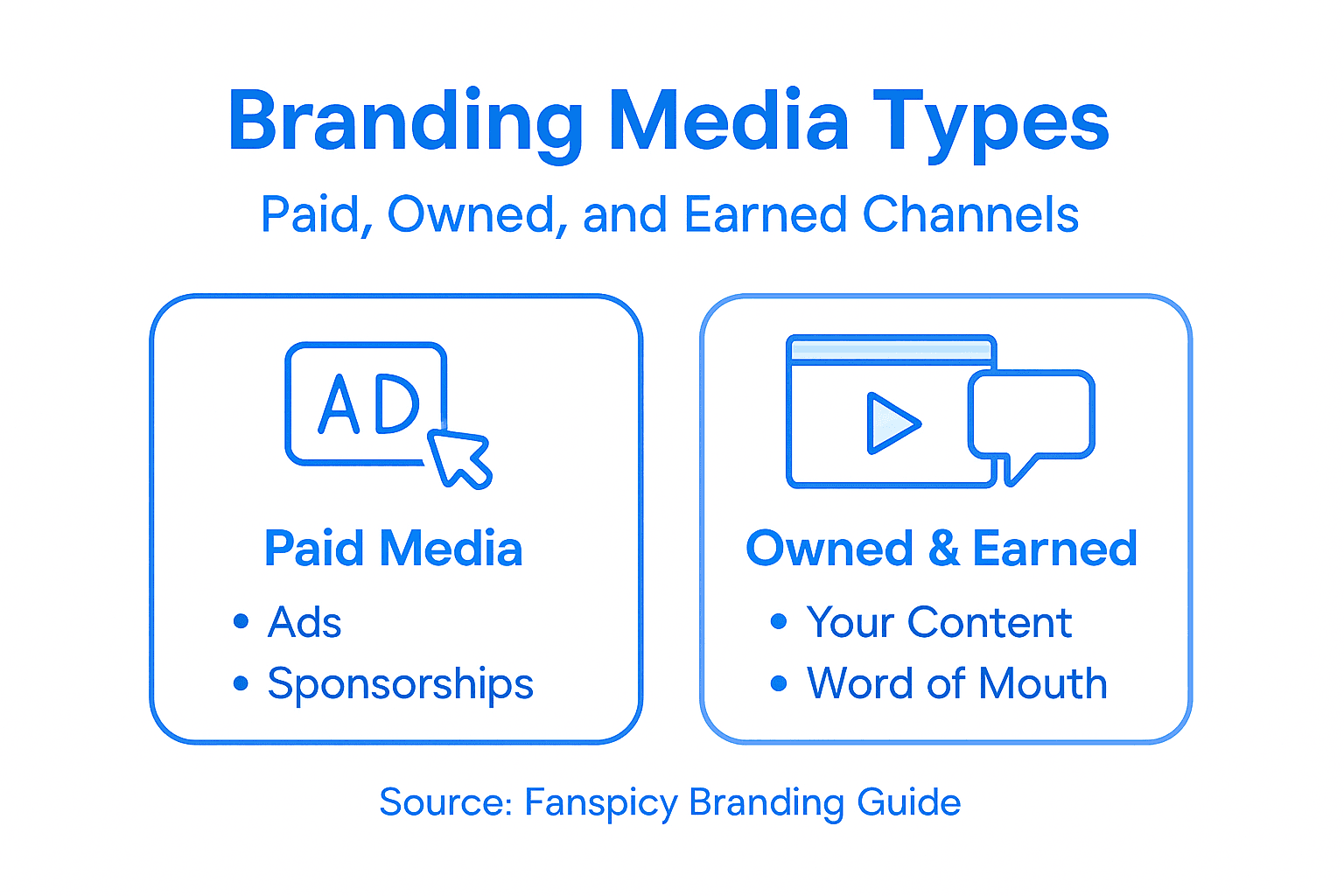
To help you choose where to focus your growth efforts, here’s a summary table outlining the advantages and limitations of paid, owned, and earned media:
| Media Type | Best Use Case | Main Advantage | Limitation |
|---|---|---|---|
| Paid Media | Fast audience growth, launch phase | Full control and scalability | Costly and stops if unpaid |
| Owned Media | Nurturing existing subscribers | Zero ongoing distribution cost | Slow initial audience build |
| Earned Media | Building credibility and referrals | High trust, organic reach | Unpredictable, slow to grow |
Pro tip: Calculate the cost per subscriber gained from each media type monthly, then deliberately shift your budget toward whichever channel is delivering the lowest cost per acquisition while maintaining quality brand perception.
Building a Unique Digital Identity
Your digital identity is far more than a username and profile picture. It’s the complete impression people form when they encounter you online, and it’s what determines whether someone scrolls past or clicks subscribe. Building a unique digital identity means crafting a distinctive presence that stands out in a crowded creator space while remaining authentically you. The stakes are real because your digital identity directly influences how much people trust you, how much they’re willing to pay for access, and whether they recommend you to others. When managing digital presence strategically, you’re essentially constructing a professional brand that extends across multiple platforms and touchpoints.
Start by identifying the core elements that make you different. What specific expertise, personality traits, or perspectives do you bring that others don’t? Maybe you’re known for brutally honest takes in your niche, or you have a gift for breaking down complex topics into digestible pieces, or you bring an energy and humor that feels refreshing. Your unique value proposition becomes the foundation of everything else. Next, translate that into visual and verbal consistency. Choose a color palette that appears across your profile, thumbnails, and promotional materials. Develop a consistent voice and tone for captions and interactions. Think about the specific words you use repeatedly, the type of humor you deploy, or the way you address your audience. When someone encounters your content without seeing your name, they should recognize it’s yours based on these visual and verbal cues alone. This consistency builds familiarity over time, and familiarity breeds trust and subscription decisions.
Your digital identity also includes how you show up across different platforms. On your main creator platform, you might be the confident expert. On social media, you might share behind the scenes moments that make you feel more approachable. Across all of these touchpoints, there’s a coherent narrative about who you are and what you stand for. The key distinction here is that consistency doesn’t mean being identical everywhere. Rather, it means maintaining core values and recognizable elements while adapting your approach to each platform’s culture and format. You’re not presenting multiple fake identities. You’re expressing different facets of the same genuine person depending on context. This authenticity matters enormously because audiences can sense when creators are performing versus when they’re being real. Paid subscribers especially value this authenticity because they’re paying for access to the real you, not a polished corporate persona.

Be intentional about the values and boundaries you establish in your digital identity. What topics are off limits for you? What causes matter to you? What kind of community culture do you want to foster around your content? These aren’t peripheral concerns. They directly shape subscriber quality and retention. Someone who subscribes because they align with your values will stick around far longer than someone who just happened to stumble across your content. Additionally, digital identity complexity includes social and economic implications that extend beyond personal branding into how you protect yourself professionally and legally. Establish clear policies about how you interact with subscribers, what content you will and won’t create, and how you handle disputes or boundary violations. These policies become part of your digital identity too. They signal professionalism and self respect, which elevates your perceived value and attracts higher quality subscribers who understand and respect creator boundaries.
Pro tip: Create a one minute video introduction where you explain who you are, what your content covers, and who it’s for, then use this exact script across your various platforms as a consistent core message that new visitors hear immediately.
Audience Engagement and Retention Strategies
Engagement isn’t a vanity metric. It’s the primary predictor of whether someone converts from casual viewer to paying subscriber and whether they stay subscribed long enough to become genuinely profitable for you. When subscribers feel heard, valued, and part of a community rather than just consuming content, they stick around. The difference between a creator with a revolving door of subscribers and one with stable recurring revenue often comes down to engagement strategy. Audience engagement in digital spaces requires intentional two way communication where you’re not just broadcasting but actively listening and responding to your audience. This real time interaction is what transforms passive viewers into invested community members.
Start by creating multiple touchpoints for engagement beyond just your main content. This might include responding to direct messages within 24 hours, asking specific questions in captions that require real answers rather than just emojis, hosting live question and answer sessions where you address subscriber concerns directly, or creating exclusive polls and votes where subscribers influence future content direction. The key is making engagement feel rewarding for the person engaging. When someone takes the time to comment or message you, they’ve given you attention. Reciprocating that attention by actually reading their message and responding thoughtfully builds connection. Some creators establish weekly dedicated times for engagement when they personally reply to a batch of messages or comments. Others use the live features on their platform specifically for unfiltered interaction time. The method matters less than the consistency. Your audience needs to know that engaging with you will actually result in interaction, not just silence. Additionally, sustained engagement depends on cognitive and emotional factors that require you to understand what emotional needs your content fulfills and ensure each interaction reinforces that emotional connection.
Retention strategies go deeper than surface level engagement. Retention is about creating reasons for subscribers to maintain their membership month after month. This includes establishing predictable content schedules so subscribers know when to expect new material, creating subscriber exclusive content that free viewers don’t get access to, implementing loyalty rewards where long term subscribers unlock special benefits, and regularly communicating the value they’re receiving. Many creators make the mistake of putting all their effort into acquisition and minimal effort into retention. Yet studies consistently show that retaining an existing subscriber costs significantly less than acquiring a new one. Consider segmenting your subscribers by tenure. New subscribers in their first month need extra attention and onboarding so they understand your content style and community norms. Long term subscribers need to feel appreciated and valued so they don’t drift away. Mid tenure subscribers might be your most critical retention target because they’re deciding whether to commit long term or cancel. Tailor your engagement strategy to each segment.
Build a community culture that makes people want to stay. This means setting clear community standards about respectful interaction, actively moderating toxic behavior, celebrating subscriber wins and milestones, and sometimes creating inside jokes or language that binds your community together. When subscribers feel like they’re part of an exclusive club with shared values and language, they develop stronger attachment to you as a creator. They also become your marketing team, inviting friends to join because membership feels like joining a community they care about. Track which engagement tactics actually move the needle on retention by monitoring how long subscribers stay, how many upgrade to higher tiers if you offer them, and whether they provide positive feedback about specific interactions. What works for one creator might flop for another based on audience demographics and preferences. Your job is to experiment, measure results, and double down on what actually keeps people subscribed.
Pro tip: Pick one specific engagement action to test this month, measure how many subscribers renew after that interaction versus those who don’t experience it, then scale whatever shows the strongest retention correlation.
Legal Risks and Brand Protection Online
Your brand name, content style, and reputation represent real financial assets. Protect them like you would protect your income because they directly generate that income. The online environment creates specific vulnerabilities for creators that don’t exist in traditional media. Someone can steal your username on another platform, impersonate you, share your content without permission, or use your name to scam people. Each of these scenarios damages your brand and your earning potential. Understanding the legal landscape around brand protection isn’t just defensive. It positions you to take action if someone violates your rights and helps you avoid inadvertently violating others’ rights, which could expose you to lawsuits or platform bans. Trademark protection foundations exist globally through various legal frameworks designed to protect brand owners, though enforcement varies significantly by jurisdiction.
Start with the basics of protecting your intellectual property. Secure your creator name across all major platforms where you have or might have a presence. This includes your main platform, social media handles, email addresses, and domains if you operate a website. Consistent branding across platforms makes you harder to impersonate. Consider registering a trademark for your creator name or brand in jurisdictions where you earn significant revenue. A trademark provides legal protection against others using confusingly similar names. Document your original content creation through dated files, publication records, or copyright registrations. Many creators don’t realize that copyright automatically attaches to original creative works, but documentation helps you prove ownership if someone steals your content. When you post content on your platform, understand the platform’s terms of service regarding content ownership. Most platforms require you to retain rights to your content while granting them a license to distribute it. Review these terms carefully because they define what happens if you delete content or leave the platform. Additionally, digital age trademark challenges require strategic protection measures adapted to how infringement occurs online through social media, impersonation accounts, and unauthorized commercial use.
Watch for these specific threats to your brand. Content theft is the most common. Someone screenshots your photos or downloads your videos and reposts them under their own name or sells them. The damage is twofold: you lose exclusivity and subscribers see your content elsewhere for free. Platform reporting tools exist specifically to combat this. Report stolen content to the platform and copyright holders can file DMCA takedown notices in many jurisdictions. Account impersonation is equally dangerous. A fake account using your name tricks subscribers into subscribing to them instead of you or sends scam messages claiming to be you. Report impersonation accounts immediately to the platform and document everything. Brand name misuse happens when someone creates an account with a similar but slightly different version of your name to confuse subscribers. Affiliate fraud and unauthorized endorsements occur when someone claims you endorse their products or services. This damages your reputation and potentially exposes you to liability if the products are harmful or fraudulent. Clearly state what you do and don’t endorse. Finally, be aware of your own legal exposure. Ensure you own or have rights to any images, music, or content you feature in your material. Using copyrighted material without permission exposes you to takedowns and platform strikes. Review your subscriber agreements and content policies regularly to ensure you’re complying with platform rules and relevant laws regarding content, privacy, and payment processing.
Pro tip: Conduct a quarterly brand audit where you search for your name and username across platforms to identify impersonation accounts, then file reports immediately before fake accounts gain traction.
Elevate Your Creator Brand and Build a Thriving Paid Audience Today
The article highlights the critical challenge creators face in establishing a clear, authentic brand that stands out and connects deeply with paying subscribers. Common pain points include defining your unique brand positioning, maintaining visual and verbal consistency, and engaging your community to boost subscriber retention. These factors are essential to transforming casual viewers into loyal paid members who value your content enough to invest in it regularly. At Fanspicy, we understand these challenges and offer a dedicated platform designed to amplify your personal brand while providing tools to grow and engage your paid audience effectively.
Discover how Фанспики gives you full control over your owned media with powerful live cam features and monetization tools that align perfectly with the branding strategies discussed. Our platform supports your authentic differentiation by letting your unique personality and content style shine through without corporate interference. Plus, use built-in features to foster genuine audience engagement and retention that turns subscribers into an active community. Take the next step in your creator journey now by joining a platform built specifically for creators serious about growing their paid audience and strengthening their brand on their own terms. Visit Fanspicy to get started and watch your brand come alive.
Часто задаваемые вопросы
What are the key elements of branding for creators?
Effective branding for creators revolves around three core elements: brand positioning, brand equity, and authentic differentiation. Brand positioning defines what makes you unique in your niche, brand equity focuses on the perceived value subscribers place on your name, and authentic differentiation ensures your brand reflects your genuine personality and strengths.
How can I engage my audience to improve retention rates?
To improve retention rates, create multiple touchpoints for engagement, such as responding to comments promptly, hosting live Q&A sessions, and soliciting feedback through polls. It’s essential to make your audience feel heard and valued to transform them into invested community members instead of just passive viewers.
What types of media should I use for branding on paid platforms?
You should focus on three types of media: paid media, owned media, and earned media. Paid media involves advertisements to reach new audiences, owned media includes content you create and control, and earned media encompasses organic visibility gained through audience engagement and word-of-mouth.
How does my digital identity influence subscriber trust and loyalty?
Your digital identity is the complete impression people form about you online, which influences their trust and willingness to pay for your content. A consistent and authentic digital identity fosters familiarity over time, which builds trust and encourages subscriptions, especially from those who resonate with your values and content style.