

Índice
TL;DR:
- Effective online flirting involves paying attention to specific details, using playful energy, and respecting boundaries. Success relies on genuine engagement, visual cues like emojis and GIFs, and reading reciprocal signals to build connection. Authenticity and attentiveness are essential for creating meaningful digital interactions.
Starting a flirty conversation online can feel surprisingly awkward, even for people who are naturally confident in person. Without body language, tone of voice, or eye contact, a message that feels bold and charming in your head can land flat or confusing on the other person’s screen. The good news is that virtual flirting mechanics are very learnable: profile-specific questions, playful banter, specific compliments, teasing, and the right use of emojis and punctuation can all signal your interest clearly and attractively. This guide gives you real examples, honest comparisons, and practical tools to make your digital interactions feel fun, genuine, and magnetic.
Índice
- Key principles of virtual flirting
- Classic examples: How to flirt online with words
- Playful vs. friendly: How to tell the difference
- Digital tools and tone: Using emojis, GIFs, and style
- Consent, boundaries, and authenticity online
- What most guides miss about flirting online
- Ready to flirt smarter? Try Fanspicy creators
- Frequently asked questions
Principais conclusões
| Point | Details |
|---|---|
| Personalize your approach | Tailor your messages to the other person’s profile for more authentic connection. |
| Use playful digital cues | Emojis, GIFs, and memes boost energy and add context to flirty messages. |
| Distinguish friendly from flirty | Look for playful teasing, compliments, and escalation to know when it’s flirting. |
| Consent and authenticity matter | Clear signals and respect for boundaries make virtual flirting enjoyable for everyone. |
| AI can assist, but realness wins | Scripts and tools can help get started, but genuine human connection keeps conversations engaging. |
Key principles of virtual flirting
Now that you know why examples matter, let’s break down what makes digital flirting work.
Virtual flirting is not just about what you say. It’s about how you say it and how well you read the other person. Text strips away a huge chunk of communication, so your word choices carry extra weight. The foundation of effective online flirting rests on a few core mechanics that separate a message that sparks something from one that gets left on read.
What the best virtual flirters consistently do:
- Start with observations from the person’s profile, not generic openers like “Hey” or “What’s up?”
- Use specific compliments that show you actually paid attention, not vague ones like “you’re hot”
- Bring playful energy through light teasing, humor, and wit
- Use emojis, GIFs, and punctuation to carry the tone your words alone can’t convey
- Match your texting style to your partner’s pace and energy level
- Respect boundaries immediately and without question if someone pulls back
One thing that gets overlooked is reciprocation. Green flags in a virtual flirt include the other person mirroring your energy, asking questions back, escalating the conversation, and not setting hard stops on topics you’ve both introduced. If you’re doing all the pulling, that’s a signal to ease off.
“Flirting is a form of emotional attunement. The goal is not just to impress but to create a shared space where both people feel seen and playful.”
Pro Tip: Vary your message length intentionally. Short, punchy replies build tension. Longer messages signal genuine interest. Alternating between the two creates a natural, engaging rhythm that keeps the conversation alive.
O creative content ideas you bring to a conversation matter just as much as the content itself. And always keep online safety tips in mind when sharing personal details in flirty exchanges, because protecting your privacy is part of flirting smart.
Classic examples: How to flirt online with words
With the mechanics in mind, see how these messages look in practice.
Knowing the principles is one thing. Seeing exactly what to type is another. Below are real, ready-to-use examples organized by situation. These are not scripts to copy word for word. Think of them as templates you can personalize with your own voice.
First messages that open the door:
- “I notice a lot of your pics are with your dog! Is that a golden retriever? I’m a little obsessed.”
- “That hiking spot looks incredible. Is that Blue Ridge? You’ve got great taste in trails.”
- “Okay, I have to ask. How did you get into aerial photography? Your feed is genuinely stunning.”
- “Your playlist in your bio is chef’s kiss. We might have to fight over who introduced the other to that band.”
- “I saw you mentioned you love horror films. Bold choice for a first impression. I respect it.”
Notice that every opener references something specific. That specificity communicates two things at once: you’re paying attention, and you’re genuinely curious about them. Both are attractive.
Escalation messages that turn friendly into flirty:
- “I’m starting to think you planned that photo perfectly. No one looks that good by accident.”
- “Okay, you clearly have exceptional taste. In music, in trails, e apparently in people you talk to.”
- “Is it weird that I’ve already got opinions about your entire profile? Because I definitely do.”
- “You’re dangerously good at making me want to keep this conversation going.”
These work because they’re bold without being pushy. They hint at attraction without demanding a response to it. The core mechanics of good flirting include this balance: signal interest clearly while leaving the other person room to respond at their own comfort level.
“Humor is the most underused flirting tool online. A well-placed joke or meme shows personality faster than any compliment.”
Pro Tip: When you send a flirty message that gets a warm response, don’t immediately escalate. Let the conversation breathe for a moment. That pause builds anticipation and shows you’re not desperate for validation.
You can also boost engagement with interactive features on platforms that support polls, reactions, or live responses. These tools add a layer of playful interaction that pure text conversations can’t replicate.
Playful vs. friendly: How to tell the difference
Once you know the lines to use, it’s crucial to recognize the boundaries between playful and purely friendly.
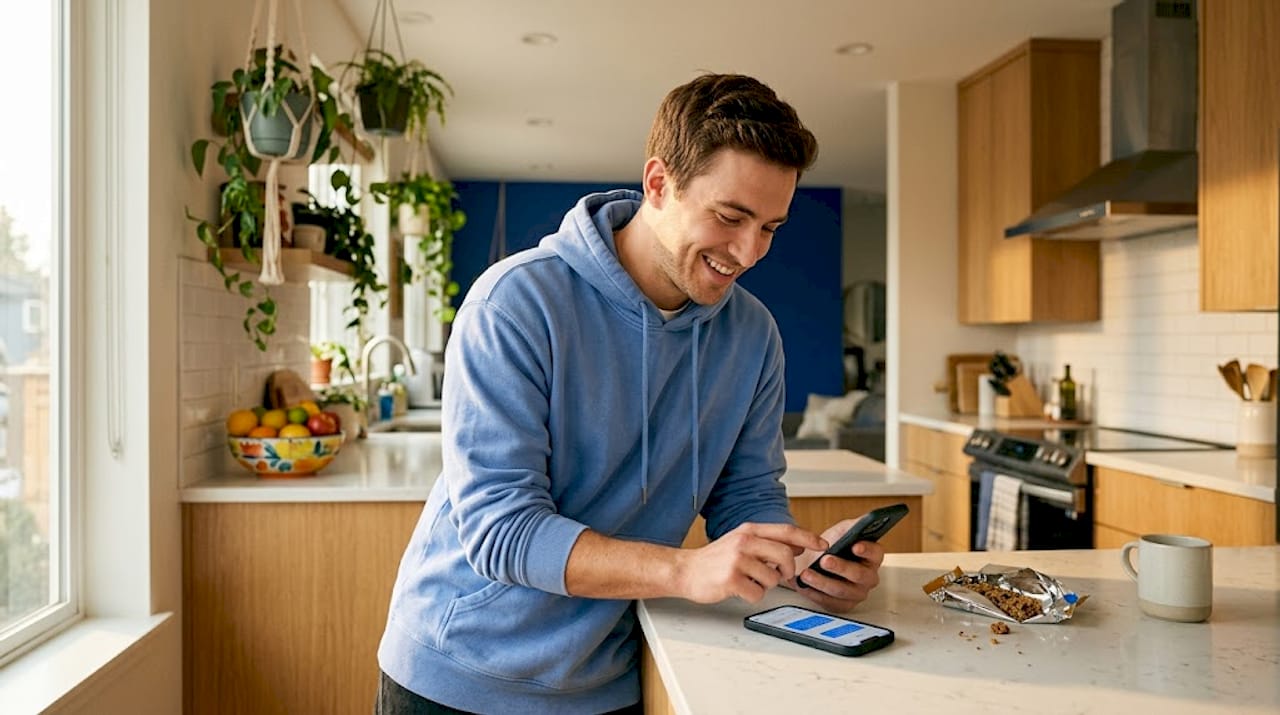
One of the most common sources of confusion in online interactions is misreading the tone. Someone can be warm, attentive, and funny without actually flirting. Misinterpreting friendliness as romantic interest creates awkward moments for everyone involved.
Here’s a clear breakdown of the key differences between flirting and friendly chatting:
| Behavior | Flirting | Friendly |
|---|---|---|
| Compliments | Focuses on appearance or personality with heat | General, non-romantic praise |
| Teasing | Light, playful, and a little suggestive | Casual jokes without romantic edge |
| Questions | Curious and escalating in intimacy | Surface-level and broad |
| Emoji use | Suggestive or affectionate emojis | Neutral or expressive without romantic tone |
| Escalation | Moves toward deeper connection or intimacy | Stays at the same conversational level |
| Response time | Often quicker, more deliberate | Casual and inconsistent |
Signals that someone is genuinely flirting with you:
- They bring up topics that invite you to share personal feelings or preferences
- They compliment something specific about your appearance or personality
- They match your energy when you turn up the playfulness
- They find excuses to keep the conversation going past natural stopping points
- They use teasing that invites a playful comeback rather than shutting the conversation down
A key insight here: the pattern of behavior matters more than any single message. One warm compliment could be polite. A consistent thread of specific compliments, personal questions, and teasing escalation is flirting. Pay attention to the arc of the conversation, not just the individual moments.
Research on live cam engagement tips shows that the most engaging creators naturally use many of these same signals to build connection with their audiences, which tells you something about how powerful these patterns really are.
Digital tools and tone: Using emojis, GIFs, and style
Verbal art is just one side. Digital body language through visuals elevates virtual flirting.
Emojis and GIFs are not decoration. They are the closest thing to tone of voice and facial expression that text-based communication has. The right emoji at the right moment can transform a neutral sentence into something clearly flirtatious. Used carelessly, they can make you seem try-hard or unaware of the mood.
| Tool | Effect when used well | Common mistake |
|---|---|---|
| 😏 (smirk emoji) | Signals teasing or suggestiveness | Overused too early |
| 🔥 (fire emoji) | Expresses attraction or enthusiasm | Used too generically |
| 👀 (eyes emoji) | Playful curiosity or “I see you” energy | Can seem passive or non-committal |
| Flirty GIFs | Digital touch equivalents that escalate playfulness | Choosing one with wrong cultural context |
| Ellipsis (…) | Creates suspense and invitation | Overused, can seem passive-aggressive |
| Exclamation marks | Enthusiasm and warmth | Too many flatten the tone |
How to use digital tools strategically:
- Drop a well-chosen GIF after a joke lands. It signals confidence and humor at once.
- Use the smirk or wink emoji after a teasing comment, not before. The sequence matters.
- Limit emoji use to one or two per message. More than that reads as trying too hard.
- Match the visual energy of the other person. If they’re using playful GIFs, meet them there.
- Timing matters. A well-placed reply after a short pause feels more deliberate than an instant barrage.
Pro Tip: One perfectly chosen GIF can do more conversational work than three sentences of text. It shows personality, humor, and timing all at once. Build a small library of go-to reaction GIFs for common flirty moments.
Exploring interactive content ideas can also give you inspiration for the kinds of playful, engaging formats that keep audiences and conversation partners coming back for more.
Consent, boundaries, and authenticity online
As you get more creative, it’s just as important to keep consent and authenticity at the forefront.
No flirting technique works if it ignores the other person’s comfort. Enthusiastic, genuine interest in someone does not override their right to set the pace or opt out entirely. The most attractive thing you can bring to any virtual interaction is respect for those boundaries, and that respect starts with paying close attention to signals.
How to practice consent-aware flirting:
- Pay attention to how the other person responds after you escalate. Enthusiasm is a green light; short answers are a yellow flag; silence or redirection is a stop sign.
- Never pressure someone to continue a conversation they’ve cooled on. Move on with grace.
- Explicitly check in when moving into more personal or intimate territory. “I’m enjoying this conversation. Are you?” is a simple, sincere way to do that.
- Back off immediately and without drama if someone sets a limit. That response alone builds more trust than any clever line.
- Prioritize authentic engagement over scripted approaches. People can sense when they’re being run through a formula.
“The most disarming thing you can do when flirting online is be genuinely, unguardedly yourself. Scripts can open a door, but sincerity is what gets you invited in.”
Authenticity also protects you. When you’re real, you attract people who respond to the actual you, not a performance of you. That makes for far more satisfying interactions than any clever opener ever could.
If you’re also focused on growing your online audience as a creator, the same principle applies. Audiences that connect with your genuine personality are far more loyal and engaged than those attracted by manufactured personas.
What most guides miss about flirting online
Most guides on virtual flirting give you scripts and emoji charts, then call it done. But there’s a harder truth worth saying out loud: the quality of your attention is the actual product you’re delivering when you flirt.
The rise of AI-assisted messaging has made this more complicated. AI tools for flirting can generate impressive openers and keep a surface-level exchange going, but they consistently fail when conversations move toward genuine emotional sincerity, nuance, or commitment. The reason is simple. AI cannot actually care. And people, even in casual online exchanges, are remarkably good at sensing the difference between a message that comes from real interest and one that was generated by a system.
Research on romantic anthropomorphism in virtual agents shows something interesting: people can develop feelings toward AI-like personas, but those feelings don’t transfer into the kind of real human connection or behavior change that actually satisfying relationships require. In other words, AI can simulate the feeling of flirting without producing any of its real social or emotional rewards.
The trap most people fall into is optimizing for clever over genuine. They practice the line instead of the listening. But the thing that makes someone want to keep talking to you isn’t your best opener. It’s the feeling that you’re actually present, curious, and enjoying them specifically. That’s not something you can script.
The platforms and profiles that build the strongest communities of engaged, loyal followers reflect this same dynamic. Great content moderation for creators preserves spaces where real interactions can happen, and those spaces consistently outperform places filled with automated or hollow engagement.
Flirt like a person. Pay attention like you mean it. That’s the only framework that consistently works.
Ready to flirt smarter? Try Fanspicy creators
After mastering the art of flirting online, discover real spaces to put your skills into action.
Fanspicy is a paid social media and live cam platform built for adults who want genuine, creative, and playful digital interactions. It’s the kind of space where everything you’ve learned in this guide actually matters because the creators here are real, engaged, and responsive.

Whether you’re practicing your opener game or exploring longer flirty conversations, connecting with a creator like Jackiepott or checking out the Somlusolme profile gives you a real, safe, and exciting environment to put these skills to work. Every interaction on Fanspicy is designed to feel personal, warm, and genuinely fun. Start your first conversation today and see what good flirting actually feels like in practice.
Frequently asked questions
What are some first-message examples for virtual flirting?
Start with a personalized profile comment, like noting a pet or a striking photo, then follow up with a playful question that invites them to share more. Generic openers like “Hey” rarely generate a spark.
How can I tell if someone is flirting with me online?
Real flirting includes playful teasing, specific compliments, and a clear escalation in conversational intimacy, while friendly messages tend to stay warm but neutral and avoid romantic undertones.
Are emojis and GIFs effective for flirting?
Yes, when used with intention. Emojis and GIFs function as digital tone cues that make your messages feel warmer, more playful, and easier to read correctly, especially when words alone could be misinterpreted.
How do I keep online flirting respectful?
Watch for mutual enthusiasm and reciprocation, respect any signals to slow down without hesitation, and keep your approach authentic rather than pressuring or scripted. Real interest naturally stays within comfortable limits.