

Spis treści
You hit publish and your content goes live. Does that mean you just gave away your rights? This widespread misconception costs creators thousands in lost revenue and control. The truth is simpler and more empowering. Most platform terms specify non-exclusive licenses to platform content, allowing creators to retain copyright while consenting to hosting and distribution. Understanding digital content rights transforms confusion into control, protecting your work and maximizing your earnings on subscription platforms.
Spis treści
- Introduction To Digital Content Rights
- Copyright And Intellectual Property Fundamentals
- Licensing And Monetization Models On Subscription Platforms
- Digital Rights Management (Drm) And Content Protection
- Platform Policies And Their Impact On Content Rights
- Common Misconceptions About Digital Content Rights
- Dispute Resolution And Enforcement Of Digital Content Rights
- Practical Steps For Creators To Protect And Maximize Value Of Their Digital Rights
- Discover Fanspicy Solutions To Empower Your Content Rights
- Frequently Asked Questions About Digital Content Rights
Key Takeaways
| Point | Details |
|---|---|
| Copyright Ownership Stays Yours | Uploading content grants platforms hosting licenses, but you retain full copyright ownership. |
| Licensing Defines Monetization | Clear licensing agreements determine how your content generates revenue and reaches audiences. |
| DRM Reduces Piracy by 30% | Digital rights management technology cuts unauthorized distribution and protects income streams. |
| Contracts Prevent Disputes | Written agreements eliminate confusion and safeguard revenue in collaborations. |
| Enforcement Tools Protect Rights | DMCA takedowns and dispute resolution channels defend your content and earnings. |
Introduction to Digital Content Rights
Digital content rights form the legal foundation protecting your creative work online. These rights stem from intellectual property law, specifically copyright, which automatically shields original works the moment you create and record them. No paperwork, no registration fees, just instant protection.
Copyright law grants exclusive rights to creators over original digital works, providing international legal protection. The Berne Convention extends this shield across 180+ countries, meaning your content enjoys protection worldwide without additional steps.
For creators on subscription platforms, these rights directly impact income potential. They determine who can use your content, how it’s distributed, and most importantly, how you get paid. Understanding these fundamentals separates thriving creators from those watching others profit from their work.
Here’s what digital content rights cover:
- Reproduction rights controlling who can copy your work
- Distribution rights managing how content reaches audiences
- Performance and display rights governing public showings
- Derivative work rights protecting adaptations and modifications
- Monetization authority determining payment structures
These protections apply equally to photos, videos, written content, audio recordings, and live streams. Whether you’re building a following on creator-driven content in paid platforms or exploring content licensing and rights protection strategies, your rights remain constant. The Creator Rights legal guide offers comprehensive details on exercising these protections effectively.
Copyright and Intellectual Property Fundamentals
Copyright hands you six exclusive powers over your digital creations. You control reproduction, distribution, public performance, public display, derivative works, and digital transmission. Nobody else can exercise these rights without your permission.
Protection duration typically spans your lifetime plus 70 years, though jurisdictions vary slightly. This extended timeframe means your work and your estate benefit from decades of potential revenue. The Berne Convention ensures this protection travels with your content across borders, covering 180+ member countries.
The beauty of copyright lies in its automatic activation. The instant you record a video, type a post, or capture a photo, protection begins. Copyright provides exclusive rights enforceable internationally and is automatic upon work creation. No registration required, no fees to pay, no waiting period.
Here are the core exclusive rights you hold:
- Creating copies in any format or medium
- Selling, renting, or lending copies to others
- Performing content publicly for audiences
- Displaying work in public spaces or online
- Making adaptations, remixes, or derivative versions
- Controlling digital transmission and streaming
This automatic protection gives creators immediate legal standing. You can enforce your rights, negotiate licensing deals, and challenge infringement from day one. Understanding these basics empowers you to recognize when someone crosses the line and how to respond effectively.
Knowing the types of digital content creators create helps you apply copyright principles to your specific medium. The copyright fundamentals guide breaks down complex legal concepts into actionable knowledge.
Licensing and Monetization Models on Subscription Platforms
Licensing agreements transform your copyright into cash without surrendering ownership. These contracts specify exactly how others can use your content while ensuring you get paid. The structure you choose directly impacts your revenue potential and content reach.
Exclusive licenses grant one party sole usage rights, often commanding higher fees but limiting your distribution options. Non-exclusive licenses allow multiple parties to use your content simultaneously, expanding reach while potentially diluting per-use payments. Licensing agreements specify usage rights and payment models enabling creators to monetize while retaining ownership.
Every licensing deal should address these critical terms:
- Scope of use defining permitted content applications
- Territorial rights specifying geographic distribution areas
- Duration establishing start and end dates for usage
- Sublicensing rights controlling whether licensees can grant further permissions
- Payment structure detailing compensation methods and timing
- Termination clauses outlining exit conditions
| Payment Model | Jak to działa | Najlepsze dla |
|---|---|---|
| Flat Fee | One-time payment for specified usage | Limited, defined use cases |
| Royalties | Percentage of revenue per use or sale | Ongoing distribution deals |
| Subscription Share | Split of platform subscription revenue | Creator platforms with recurring income |
| Performance-Based | Payment tied to views, engagement, or conversions | High-traffic content |
Platforms typically offer subscription revenue share models where creators earn based on subscriber counts or engagement metrics. This aligns platform success with creator earnings, though terms vary widely between services. Careful negotiation prevents revenue dilution while maximizing audience access.
Pro Tip: Before signing any licensing agreement, calculate potential earnings under different performance scenarios. Model best-case, expected, and worst-case revenue to ensure the deal protects your financial interests.
The content monetization guide explores various earning strategies, while content licensing strategies detail negotiation tactics. For contract specifics, review content licensing terms and models to avoid common pitfalls.
Digital Rights Management (DRM) and Content Protection
DRM technology acts as a digital lock on your content, restricting unauthorized copying and redistribution. These technical measures complement legal protections by making piracy harder and less attractive to casual infringers.
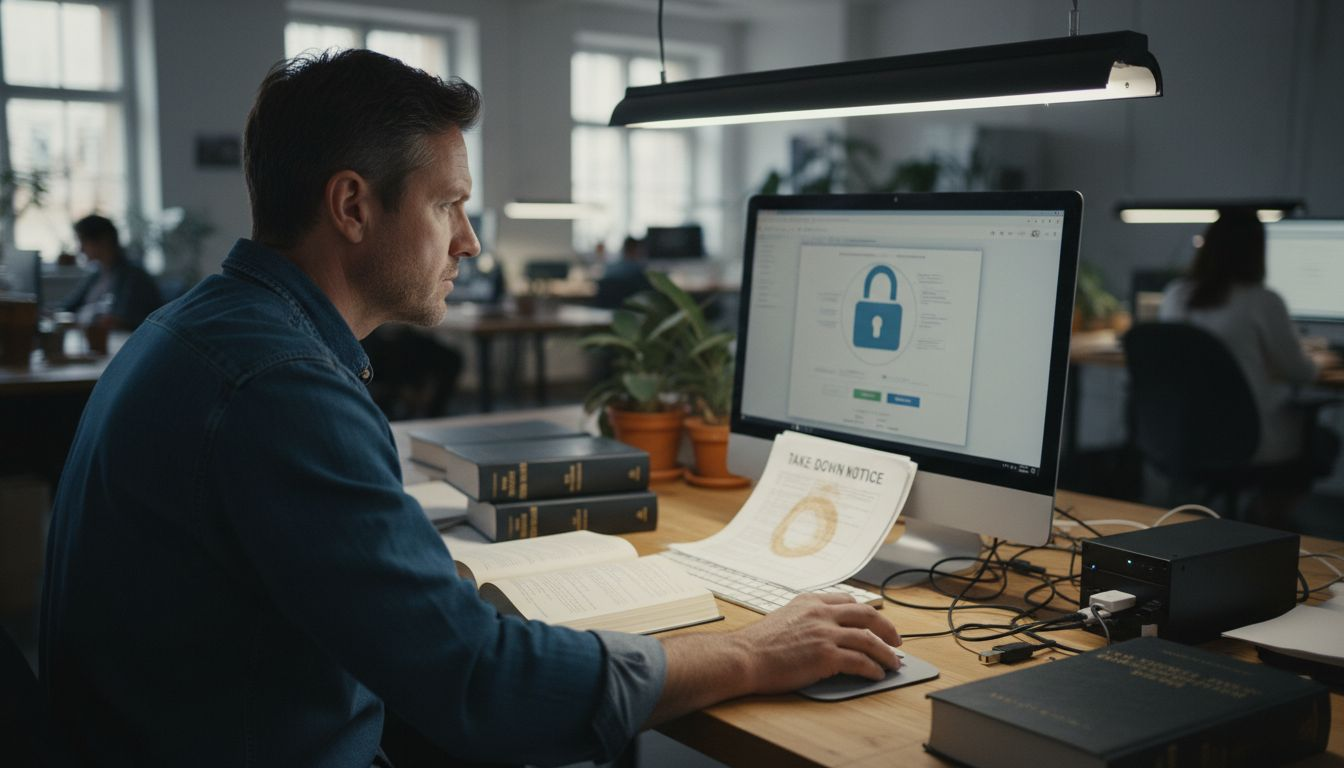
DRM systems work through encryption, access controls, and watermarking. Encrypted files require authorized decryption keys to view or use. Access controls limit actions like downloading, screenshotting, or sharing. Watermarks embed identifying information to trace leaked content back to its source.
The numbers tell a compelling story. DRM implementation on OTT platforms reduced piracy-related losses by up to 30%. While not a perfect shield, this reduction translates directly to preserved revenue for creators on subscription platforms.
Key benefits of DRM for subscription creators include:
- Deterring casual piracy through technical barriers
- Tracking content distribution and identifying leak sources
- Controlling access based on subscription status
- Preserving premium content value through scarcity
- Supporting tiered pricing models with feature restrictions
DRM isn’t without challenges. Implementation costs money and requires technical expertise. Some systems create friction in the user experience, potentially frustrating legitimate subscribers. Determined pirates can often circumvent protections given enough time and motivation.
DRM Effectiveness: Studies show DRM reduces unauthorized distribution by 30% on major streaming platforms, preventing thousands in potential revenue loss for active creators.
Pro Tip: Combine DRM with community engagement strategies. Fans who feel connected to creators are less likely to pirate content, making relationship building your strongest anti-piracy tool.
The most effective approach pairs DRM with legal enforcement and fan loyalty programs. Technical barriers slow pirates while legal tools punish persistent offenders. Meanwhile, strong creator-fan relationships reduce motivation to pirate in the first place. Explore content monetization strategies that balance protection with accessibility, or dive deeper into the DRM effectiveness guide.
Platform Policies and Their Impact on Content Rights
Every subscription platform operates under terms of service that shape how your content rights function in practice. These policies create a framework governing hosting, distribution, and monetization, but they rarely strip away your underlying copyright ownership.
Platform terms usually grant non-exclusive licenses for hosting; ownership remains with creators. When you upload content, you’re essentially giving the platform permission to store, display, and deliver your work to subscribers. You retain copyright and can license the same content elsewhere simultaneously.
Common misconceptions fuel unnecessary anxiety. Many creators believe uploading means transferring ownership. Others think platforms can use their content for any purpose forever. Both are typically false. Most terms explicitly state that creators retain all ownership rights while granting limited operational licenses to the platform.
Key policy areas affecting your rights include:
- Hosting licenses permitting platform storage and delivery
- Takedown procedures for removing infringing copies
- Monetization rules governing payment structures and eligibility
- Content guidelines restricting certain material types
- Termination clauses addressing account closure and content fate
- Data rights covering subscriber information and analytics access
Platform takedown policies protect creators by removing unauthorized copies, but they can also affect your content if false claims are filed. Understanding appeal processes safeguards against wrongful removal. Monetization policies vary dramatically, with some platforms taking 5% commissions while others claim 50% or more.
Before committing to any platform, read the terms carefully. Focus on sections covering content ownership, revenue splits, exclusivity requirements, and what happens if you leave. Platforms reserving broad usage rights or requiring exclusivity may limit your ability to diversify content platforms for maximum reach and income security.
For detailed analysis of creator rights within platform ecosystems, consult the platform policies for creators resource.
Common Misconceptions About Digital Content Rights
Misunderstandings about content rights cost creators control and income. These myths spread easily, often repeated by well-meaning peers who never verified the facts. Let’s demolish the most damaging misconceptions with evidence.
Myth 1: Uploading Content Means Losing Ownership
Reality: You retain full copyright ownership. Platforms receive non-exclusive hosting licenses, not ownership transfers. You can license the same content to multiple platforms simultaneously and retain all creator rights.
Myth 2: Fair Use Allows Broad Content Reuse
Reality: Fair use is narrowly defined and frequently misunderstood. Fair use claims succeed in only about 30% of legal cases, highlighting risks. Most commercial uses on subscription platforms fall outside fair use protections. Using others’ content without permission invites legal action regardless of fair use beliefs.
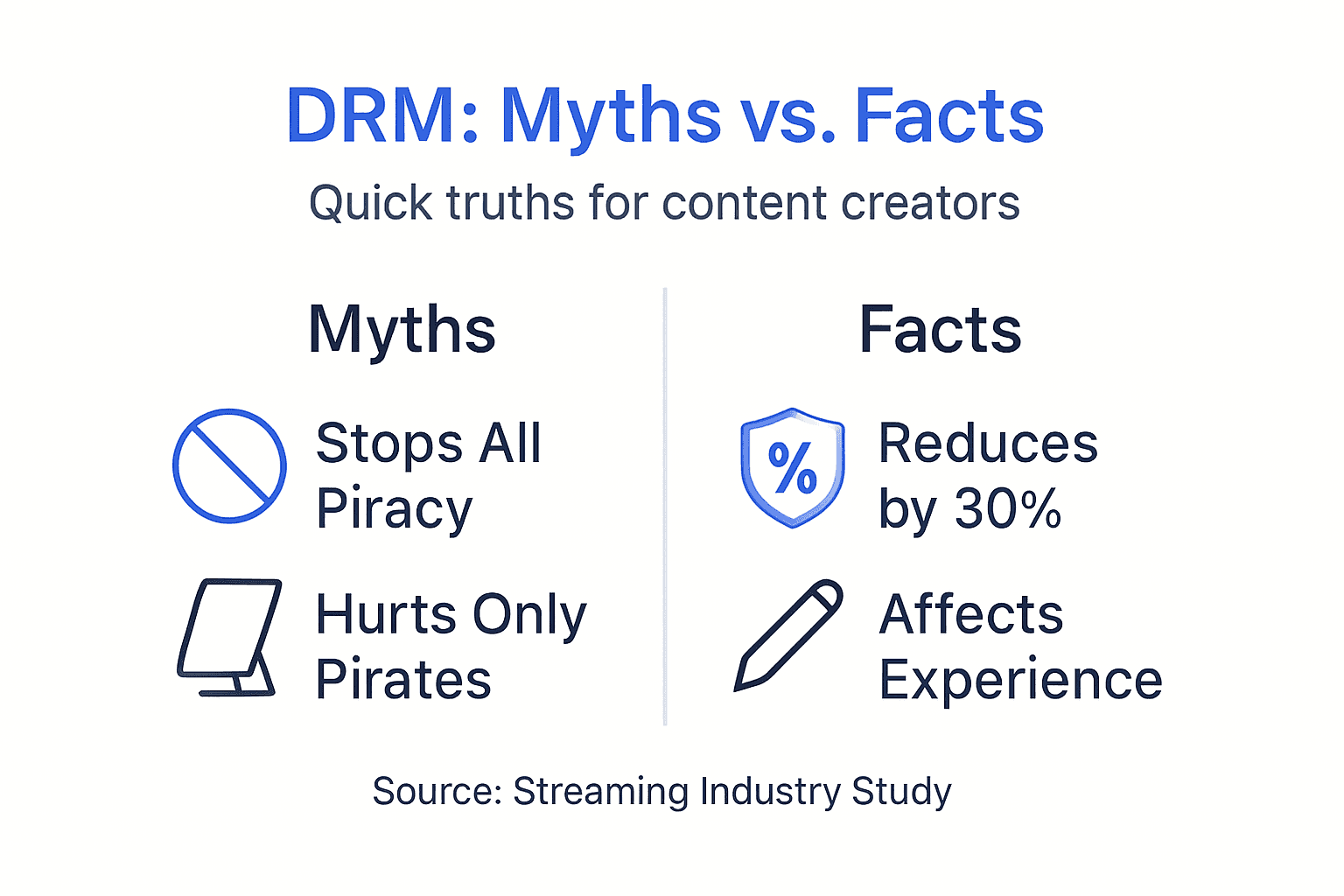
Myth 3: DRM Completely Prevents Piracy
Reality: DRM reduces unauthorized distribution by roughly 30% but cannot eliminate determined pirates. It’s a deterrent and speed bump, not an impenetrable fortress. Effective protection combines technical measures with legal enforcement and community engagement.
Myth 4: Collaboration Agreements Aren’t Necessary Between Friends
Reality: Lack of formal collaboration contracts causes over 40% of ownership disputes among creators. Friendships dissolve, memories differ, and money changes relationships. Written agreements protect everyone by establishing clear expectations from the start.
Myth 5: Registration Is Required to Hold Copyright
Reality: Copyright protection begins automatically upon content creation. Registration strengthens legal claims and enables certain remedies, but it’s optional. You hold enforceable rights whether you register or not.
Myth 6: Platforms Can Use Your Content However They Want
Reality: Platform licenses are typically limited to operational needs like hosting, displaying, and delivering content to subscribers. Terms rarely grant unlimited usage rights. Always read the specific language in terms of service.
“The biggest mistake creators make is assuming they understand their rights without reading actual contracts. Every major dispute I’ve seen stemmed from assumptions rather than facts.”
Avoiding these misconceptions starts with education and verification. When someone makes a claim about content rights, ask for sources. Check official documentation rather than relying on forum posts or social media advice. The creator rights common misconceptions guide offers detailed fact-checking on widespread myths. Following creator best practices helps you build solid foundations instead of risky assumptions.
Dispute Resolution and Enforcement of Digital Content Rights
Knowing your rights means nothing if you can’t enforce them. Effective enforcement requires understanding available tools, acting quickly when infringement occurs, and choosing the right approach for each situation.
The DMCA takedown process provides the fastest remedy for unauthorized content use. Over 2 million DMCA takedown requests are filed annually in the US, making it the most common enforcement mechanism. You submit a notice identifying infringing content, the platform removes it within days, and the infringer can counter-notify if they believe removal was improper.
Alternative dispute resolution offers middle-ground options before expensive litigation. Mediation brings both parties together with a neutral facilitator to negotiate solutions. Arbitration involves a neutral decision-maker reviewing evidence and issuing binding rulings. Both cost less than court battles and resolve disputes faster.
Legal action remains the nuclear option for serious infringement. Courts can award actual damages, statutory damages up to $150,000 per work infringed, and attorney fees to prevailing copyright holders. The threat alone often motivates settlements, though litigation expenses and time commitments require careful consideration.
Effective enforcement relies on these elements:
- Comprehensive documentation proving ownership and creation dates
- Regular monitoring to detect unauthorized use quickly
- Swift action when infringement occurs to prevent normalization
- Proportional responses matching enforcement method to violation severity
- Clear evidence including URLs, screenshots, and timestamps
- Professional communication maintaining credibility throughout proceedings
Proper documentation makes enforcement exponentially easier. Maintain creation files, drafts, timestamps, and any registration certificates. For collaborations, keep signed agreements specifying ownership percentages and usage rights. This evidence transforms potential he-said-she-said disputes into clear-cut cases.
Vigilance matters because infringement compounds over time. A single unauthorized post can spawn dozens of copies if left unchallenged. Regular reverse image searches, content recognition tools, and platform monitoring catch violations early when removal is simplest.
Balancing enforcement with relationship preservation requires judgment. A fan sharing a clip might warrant a polite request rather than legal threats. A competitor systematically reposting your premium content demands aggressive action. The best practices for rights enforcement guide helps calibrate responses appropriately. For deeper enforcement strategies, review digital rights enforcement tactics used by successful creators.
Practical Steps for Creators to Protect and Maximize Value of Their Digital Rights
Transform legal knowledge into protective action with these concrete steps. Each reinforces your position while opening revenue opportunities.
-
Document Everything From Day One
Maintain original files, creation dates, drafts, and communication about content development. Cloud storage with timestamps creates verifiable proof of ownership and creation sequence. -
Consider Copyright Registration for High-Value Works
While optional, registration strengthens enforcement capabilities and enables statutory damages and attorney fee recovery in infringement cases. Costs run $35 to $65 per work through the US Copyright Office. -
Draft Clear Licensing Agreements for Every Deal
Clear licensing agreements and use of DRM tools help creators protect rights and maximize revenue. Specify scope, duration, territory, payment terms, and termination conditions. Use written contracts even for small collaborations or one-time uses. -
Implement Appropriate DRM Measures
Balance protection with user experience. Heavy-handed DRM frustrates legitimate subscribers while determined pirates circumvent it anyway. Focus on deterring casual infringement without punishing fans. -
Read and Understand Platform Terms Before Uploading
Identify ownership clauses, exclusivity requirements, revenue structures, and termination procedures. If terms are unacceptable, negotiate changes or choose different platforms. Understanding allows informed decisions about where to build your presence. -
Create Collaboration Agreements for All Joint Projects
Define ownership percentages, credit requirements, revenue splits, and usage rights upfront. Address what happens if the relationship ends or one party wants to use content independently. Written terms prevent 40% of collaboration disputes. -
Monitor Your Content Across Platforms
Use reverse image search, video recognition tools, and content monitoring services to detect unauthorized use. Set Google Alerts for your name and content titles. Early detection enables faster, cheaper resolution. -
Act Swiftly When Infringement Occurs
File DMCA notices immediately upon discovering violations. Quick action prevents widespread distribution and demonstrates vigilance to both infringers and platforms. Delays weaken claims and embolden pirates. -
Build Community Relationships That Discourage Piracy
Fans who feel connected to creators are less likely to pirate content. Engage authentically, offer exclusive perks, and create belonging. The strongest anti-piracy measure is a loyal community. -
Review and Update Agreements Annually
Rights landscapes shift as platforms change terms, laws evolve, and your content grows in value. Annual contract reviews ensure protections remain current and comprehensive.
Pro Tip: Create a simple spreadsheet tracking all licensing deals, platform terms acceptance dates, collaboration agreements, and registration certificates. This master document becomes invaluable during disputes or when evaluating new opportunities.
These steps work together to create layered protection. Legal rights establish the foundation, documentation proves ownership, contracts define relationships, technical measures deter casual infringement, and community building reduces piracy motivation. Implementing even half these practices dramatically strengthens your position. For additional strategies, explore best practices for creators and monetization strategies for creators. Detailed contract guidance appears in content licensing strategies.
Discover FanSpicy Solutions to Empower Your Content Rights
Protecting your content rights requires the right platform partner. FanSpicy provides subscription creators with tools designed specifically for content protection, fan engagement, and revenue maximization.
Our platform combines robust technical safeguards with creator-friendly policies that respect your ownership while facilitating monetization. Unlike platforms that claim broad usage rights or impose restrictive exclusivity, FanSpicy maintains clear boundaries that keep creators in control.
Explore how subscription platforms compare by reviewing advantages of paid social media for creator income and control. Discover proven approaches in our content monetization strategies guide. Implement protection tactics from best practices for creators to safeguard your work while building sustainable income.
Frequently Asked Questions About Digital Content Rights
What is the difference between copyright ownership and platform license?
Copyright ownership is the fundamental legal right to your creative work, giving you exclusive control over reproduction, distribution, and monetization. A platform license is permission you grant to a specific service to host and deliver your content to subscribers. You retain ownership while the platform gains limited operational rights. Most platform licenses are non-exclusive, meaning you can grant similar licenses to multiple platforms simultaneously.
How can I protect my content from piracy on subscription sites?
Combine DRM technology, community engagement, and active monitoring. DRM reduces unauthorized copying by roughly 30%, creating technical barriers for casual pirates. Build strong fan relationships that discourage piracy through loyalty and connection. Monitor content using reverse search tools and file DMCA takedown notices immediately when violations occur. No single method eliminates piracy completely, but layered approaches significantly reduce losses.
Do I need to register my copyright to enforce my rights?
No, copyright protection begins automatically when you create original content. However, registration strengthens enforcement by enabling statutory damages up to $150,000 per infringed work and attorney fee recovery in successful lawsuits. Registration costs $35 to $65 per work through the US Copyright Office and creates public record of your ownership, making disputes easier to resolve in your favor.
What should I include in a collaboration agreement?
Every collaboration agreement should specify ownership percentages for the final work, credit and attribution requirements, revenue split formulas, permitted usage rights for each party, decision-making authority for licensing deals, procedures for using content independently, and termination conditions. Address what happens if the relationship ends or disputes arise. Written agreements prevent over 40% of creator disputes by establishing clear expectations upfront.
How does DRM impact my subscribers’ user experience?
DRM can create friction by restricting downloads, preventing screenshots, limiting playback devices, or requiring persistent internet connections. Heavy-handed DRM frustrates legitimate paying subscribers while determined pirates circumvent it anyway. Balance protection with accessibility by implementing minimal necessary restrictions. Focus DRM on preventing mass redistribution rather than controlling every possible use. The goal is deterring piracy without punishing fans who support your work.