

Table of Contents
More than 90 percent of american internet users participate in some form of online fan activity each year. This growing trend is much more than a casual hobby. Digital fandom shapes culture, fuels creative collaboration, and transforms how fans and creators connect in real time. Understanding what digital fandom truly means and why so many misconceptions persist helps reveal the real power these communities hold in modern american media.
Table of Contents
- Defining Digital Fandom And Common Misconceptions
- Major Types Of Digital Fan Communities
- How Digital Fandom Functions Online
- Benefits For Creators And Fans
- Risks, Safety, And Privacy Considerations
Key Takeaways
| Point | Details |
|---|---|
| Digital fandom redefines roles | Fans are active participants and co-creators within online communities, challenging the notion of them as passive consumers. |
| Diverse fan community types | Digital fandom includes various community types such as passion-based groups, remix communities, and fan clubs, each with unique interactions. |
| Mutual benefits for creators and fans | Creators gain real-time feedback and deeper engagement opportunities, while fans can influence content and community dynamics directly. |
| Navigating safety and privacy | Users must prioritize personal safety and understand privacy risks in online fandom environments to foster secure interactions. |
Defining Digital Fandom and Common Misconceptions
Digital fandom represents a dynamic, complex ecosystem of online fan communities that extend far beyond traditional passive media consumption. According to research from OJS University, digital fandom is not merely a leisure activity but a significant socioeconomic phenomenon with profound cultural implications.
Contrary to popular belief, fans are not passive consumers. As highlighted by media scholar Henry Jenkins in Textual Poachers, fan communities actively engage with media content, creating new meanings and transforming how cultural narratives are produced and interpreted. These digital communities represent intricate social networks where creativity, participation, and collective meaning-making occur.
Key Characteristics of Digital Fandom:
- Active content creation and remixing
- Global interconnectedness through online platforms
- Collaborative interpretation of media texts
- Rapid information and trend dissemination
The misconception that digital fandom is superficial or trivial fails to recognize its substantial impact. Fan communities drive cultural innovation, influence media production, and provide creators with direct audience engagement opportunities. Understanding why build a fanbase becomes crucial for modern content creators seeking sustainable digital success.
Moreover, digital fandom transcends traditional boundaries. Fans are no longer just consumers but co-creators, critics, and essential participants in media ecosystems. This shift challenges outdated perceptions and highlights the sophisticated, multifaceted nature of online fan interactions.
Major Types of Digital Fan Communities
Digital fan communities are diverse and complex, representing intricate networks that extend far beyond simple online interactions. According to Wikipedia, these internet tribes form around shared interests, creating sophisticated social ecosystems with unique characteristics and communication patterns.
Primary Types of Digital Fan Communities:
- Passion-Based Communities
- Content Creator Fan Clubs
- Collaborative Remix Communities
- Support and Engagement Networks
- Niche Interest Groups
Fansites play a critical role in these digital landscapes. As explored in the Wikipedia entry on Fansites, these platforms serve as dedicated spaces where enthusiasts create, share, and discuss content related to specific celebrities, franchises, or cultural phenomena. 7 Types of Fan Engagement Every Creator Should Know demonstrates how these communities go beyond mere appreciation, becoming active participants in content creation and cultural discourse.
These fan communities are not monolithic but represent dynamic, evolving social structures. They range from highly organized fan clubs with structured hierarchies to more fluid, spontaneous groups that form around emerging trends and shared passions. Understanding these nuanced digital ecosystems is crucial for creators seeking to build meaningful connections with their audience.
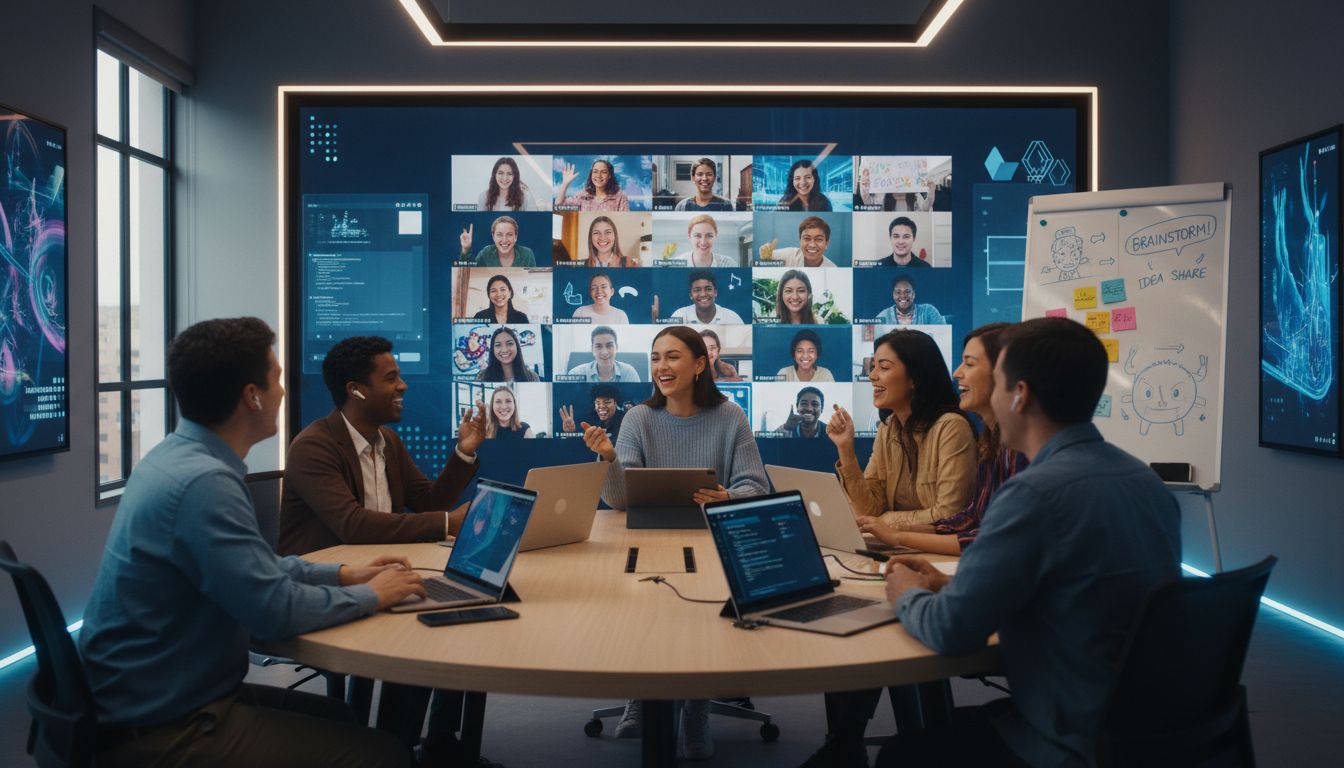
The modern digital fan community transcends traditional boundaries. Fans are no longer passive consumers but active collaborators, critics, and co-creators who shape cultural narratives through their collective engagement and creativity. This transformation highlights the profound social and cultural significance of digital fan communities in our interconnected world.
How Digital Fandom Functions Online
Digital fandom operates through complex networked interactions that extend far beyond traditional fan engagement models. According to research from ArXiv, online fan communities dynamically develop collective understandings and strategically coordinate actions across various digital platforms, demonstrating remarkable adaptive capabilities.
Key Mechanisms of Online Fan Interactions:
- Collaborative knowledge sharing
- Distributed mentoring networks
- Platform-specific communication strategies
- Algorithmic collective intelligence
- Rapid information exchange
The intricate social dynamics of digital fandom are particularly evident in specialized communities. A comprehensive nine-month ethnographic study from ArXiv revealed how fanfiction communities function as sophisticated distributed mentoring environments, where members actively support each other’s skill development through open forums and collaborative interactions. How Fan Interactions Work: Complete Guide for Creators further illuminates these complex social mechanisms that transform passive consumption into active participation.
These digital ecosystems are characterized by their fluid boundaries and decentralized structures. Fans no longer simply consume content but actively shape narratives, create derivative works, and build intricate social networks that transcend geographic and cultural limitations. The power dynamics have fundamentally shifted, with fans becoming co-creators, critics, and influential cultural agents.
Understanding these digital interaction patterns is crucial for creators seeking meaningful engagement. Online fan communities represent living, breathing organisms that continuously evolve, negotiate meaning, and generate innovative content through collective intelligence and shared passion. Their ability to rapidly mobilize, communicate, and influence cultural production makes them a formidable and transformative social force in the digital age.
Benefits for Creators and Fans
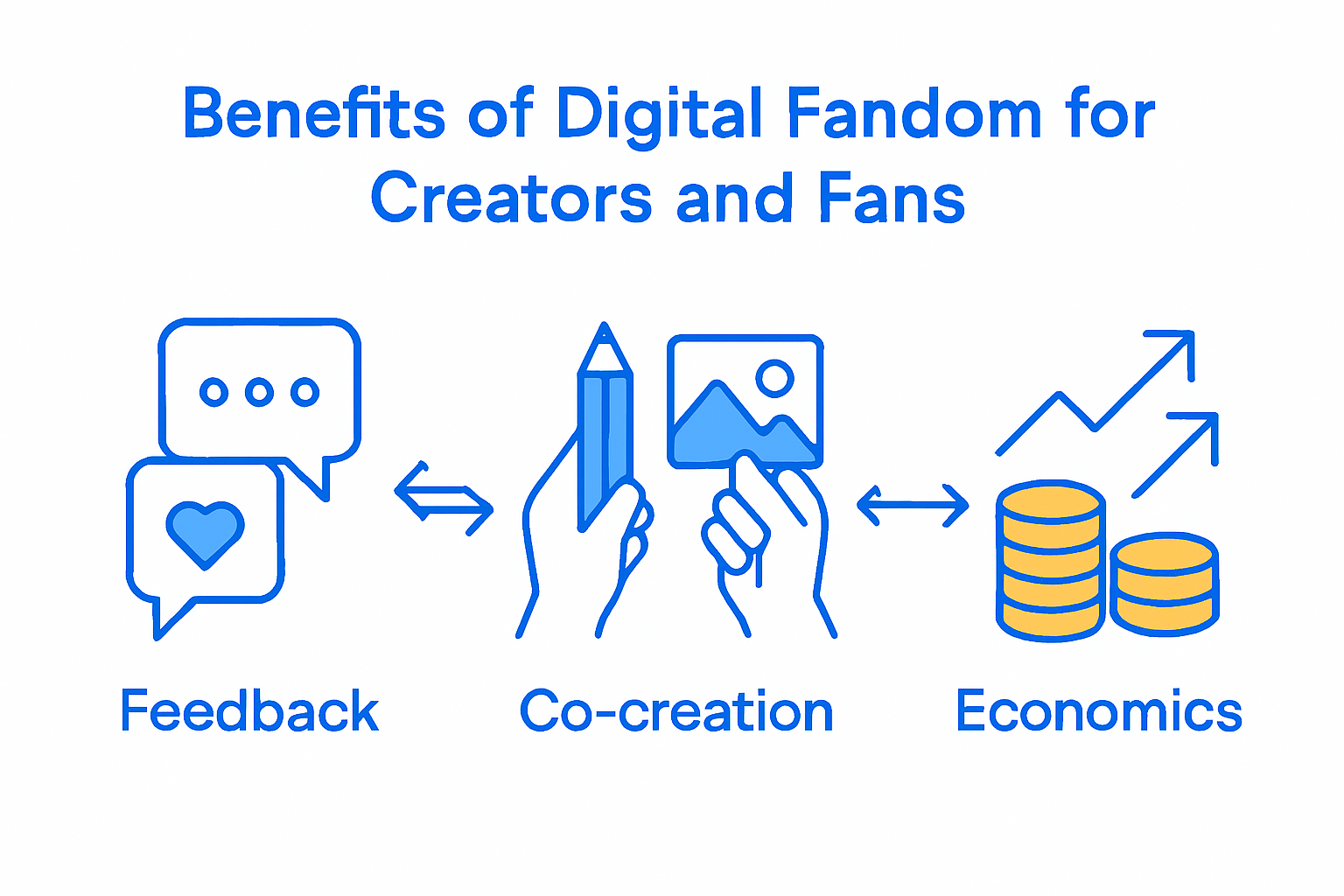
Digital fandom represents a powerful symbiotic ecosystem that generates substantial mutual benefits for both creators and fans. According to research from Academic Oxford, digital media has dramatically enhanced accessibility, allowing for deeper engagement and the formation of supportive communities that celebrate shared cultural interests.
Primary Benefits for Creators:
- Direct audience interaction
- Real-time feedback mechanisms
- Increased content monetization opportunities
- Enhanced brand loyalty
- Community-driven content development
Information and communication technologies have transformed fan-creator relationships. ScienceDirect highlights how digital platforms facilitate sophisticated social connections that strengthen engagement between fans and creators. Direct Fan Support: Complete Creator Revenue Guide further illustrates the economic potential of these dynamic interactions.
For fans, digital platforms offer unprecedented opportunities to engage deeply with their favorite creators. They can now participate in content creation, provide meaningful feedback, and become integral parts of creative communities. This shift transforms fans from passive consumers to active collaborators who directly influence cultural production.
The reciprocal nature of digital fandom creates a powerful ecosystem where creators gain insights, fans feel empowered, and both parties benefit from genuine, transparent interactions. By breaking down traditional barriers between content producers and consumers, digital platforms have revolutionized how creative communities form, communicate, and grow in the modern digital landscape.
Risks, Safety, and Privacy Considerations
Digital fandom environments present complex challenges that demand careful navigation of privacy and safety concerns. Research from ArXiv reveals the potential risks of online communities, including the formation of echo chambers where users become increasingly isolated within information bubbles that reinforce existing beliefs and amplify potential biases.
Critical Safety Considerations:
- Protecting personal information
- Managing online boundaries
- Recognizing potential manipulation tactics
- Understanding digital consent
- Preventing unauthorized content sharing
Online communities can be double-edged platforms where personal vulnerabilities might be exposed. Wikipedia’s Online Health Communities highlights the critical importance of safeguarding personal information and being aware of potential misinformation risks. Role of Privacy in Fan Sites: Complete Guide provides additional insights into developing robust personal protection strategies in digital fan spaces.
Creators and fans must develop sophisticated digital literacy skills to navigate these complex online ecosystems. This involves understanding platform-specific privacy settings, recognizing potential psychological manipulation techniques, and maintaining clear personal boundaries. The goal is creating engaging digital interactions while protecting individual privacy and emotional well-being.
Ultimately, successful digital fan communities require a balanced approach that prioritizes transparency, mutual respect, and proactive safety measures. By establishing clear communication protocols, implementing robust privacy protections, and fostering a culture of consent and understanding, creators and fans can build thriving digital spaces that minimize risks while maximizing positive interactions.
Unlock the True Power of Digital Fandom with FanSpicy
Building and nurturing a loyal fanbase online is no simple task Digital fandom thrives on active participation creative collaboration and trust between creators and their audiences This article highlights how modern fans are co-creators and influencers rather than passive consumers but tapping into this potential requires the right platform that puts creators first and empowers authentic connections
Discover how FanSpicy offers a secure and innovative live cam and social media experience designed specifically to deepen fan engagement and maximize creator revenue You can turn your followers into a vibrant supportive community where real-time interaction and direct fan support drive growth Don’t miss out on transforming fan interactions into loyal connections Visit FanSpicy platform now and start experiencing the future of digital fandom today
Frequently Asked Questions
What is digital fandom?
Digital fandom refers to online fan communities that actively engage with media content, creating new meanings and collaborating on content creation instead of merely consuming media.
How do digital fan communities benefit creators?
Creators benefit from direct audience interaction, real-time feedback, increased monetization opportunities, and community-driven content development, which all enhance brand loyalty and engagement.
What are the main types of digital fan communities?
The primary types include passion-based communities, content creator fan clubs, collaborative remix communities, support and engagement networks, and niche interest groups.
What safety considerations should fans keep in mind in digital fandom?
Fans should protect their personal information, manage online boundaries, recognize manipulation tactics, understand digital consent, and prevent unauthorized content sharing.